
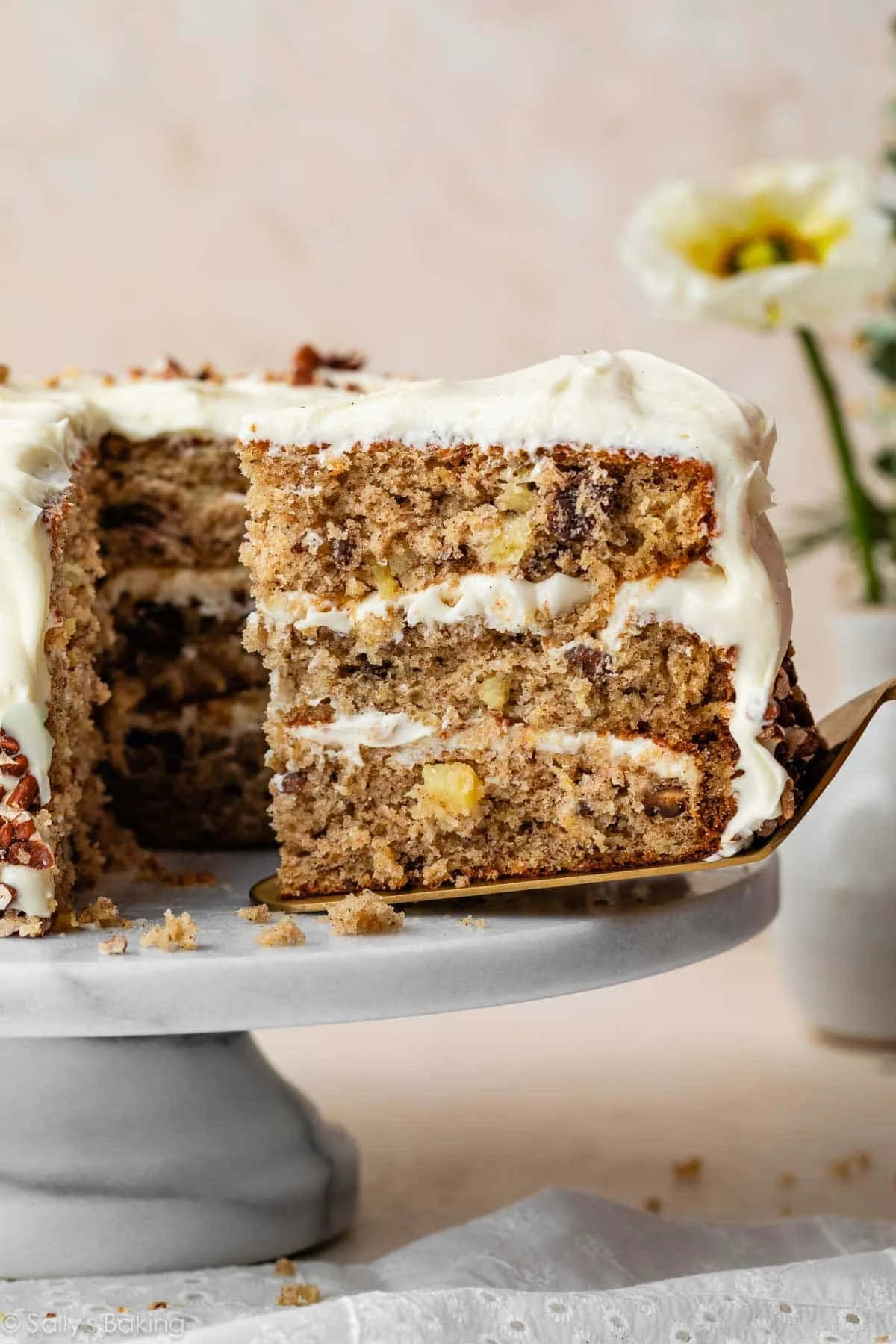
The Hummingbird Cake, a celebrated Southern layer cake, stands as a testament to the enduring appeal of desserts that blend tropical sweetness with comforting warmth. Characterized by its unbelievably moist crumb, rich infusion of ripe bananas, crushed pineapple, aromatic spices, and toasted pecans, all crowned with a tangy cream cheese frosting, this dessert has carved a significant niche in the culinary landscape. Its unique profile, reminiscent of both classic carrot cake and beloved banana bread, positions it not merely as a dessert but as a cultural artifact whose history and widespread adoration warrant closer examination.
From "Doctor Bird" to Southern Staple: A Historical Chronology

The journey of the Hummingbird Cake is a fascinating chronicle, tracing its roots across the Caribbean to the heart of American Southern cuisine. While its exact genesis remains a subject of culinary folklore, historical accounts largely point to Jamaica in the early 1970s, where it was known as "Doctor Bird Cake." The "Doctor Bird" is a colloquial name for the Red-billed Streamertail, Jamaica’s national bird, a vibrant hummingbird whose beauty and swiftness perhaps inspired the cake’s delightful and quickly vanishing nature. This original Jamaican iteration showcased a rich, fruit-laden cake, leveraging the island’s abundant bananas and pineapples, likely passed down through generations of home bakers.
Its introduction to the United States, particularly the Southern states, marked a pivotal moment in its ascent. American tourists returning from the Caribbean, captivated by its unique flavors, are believed to have brought the recipe back, introducing it to Southern communities already renowned for their rich baking traditions. The cake’s true breakthrough into mainstream American consciousness, however, occurred in 1978 when it was featured in Southern Living magazine. This publication, a venerable institution for Southern culture and cuisine, transformed the Doctor Bird Cake into the Hummingbird Cake, presenting it to a vast readership eager for new, yet comforting, recipes. The response was immediate and overwhelming; the Hummingbird Cake rapidly became one of the magazine’s most requested recipes, cementing its status as a beloved Southern staple. Its inclusion in Southern Living not only popularized the recipe but also ingrained it into the collective culinary identity of the American South, becoming synonymous with hospitality, celebration, and the region’s distinctive flavor palette.
The Anatomy of Appeal: Ingredients and Craftsmanship
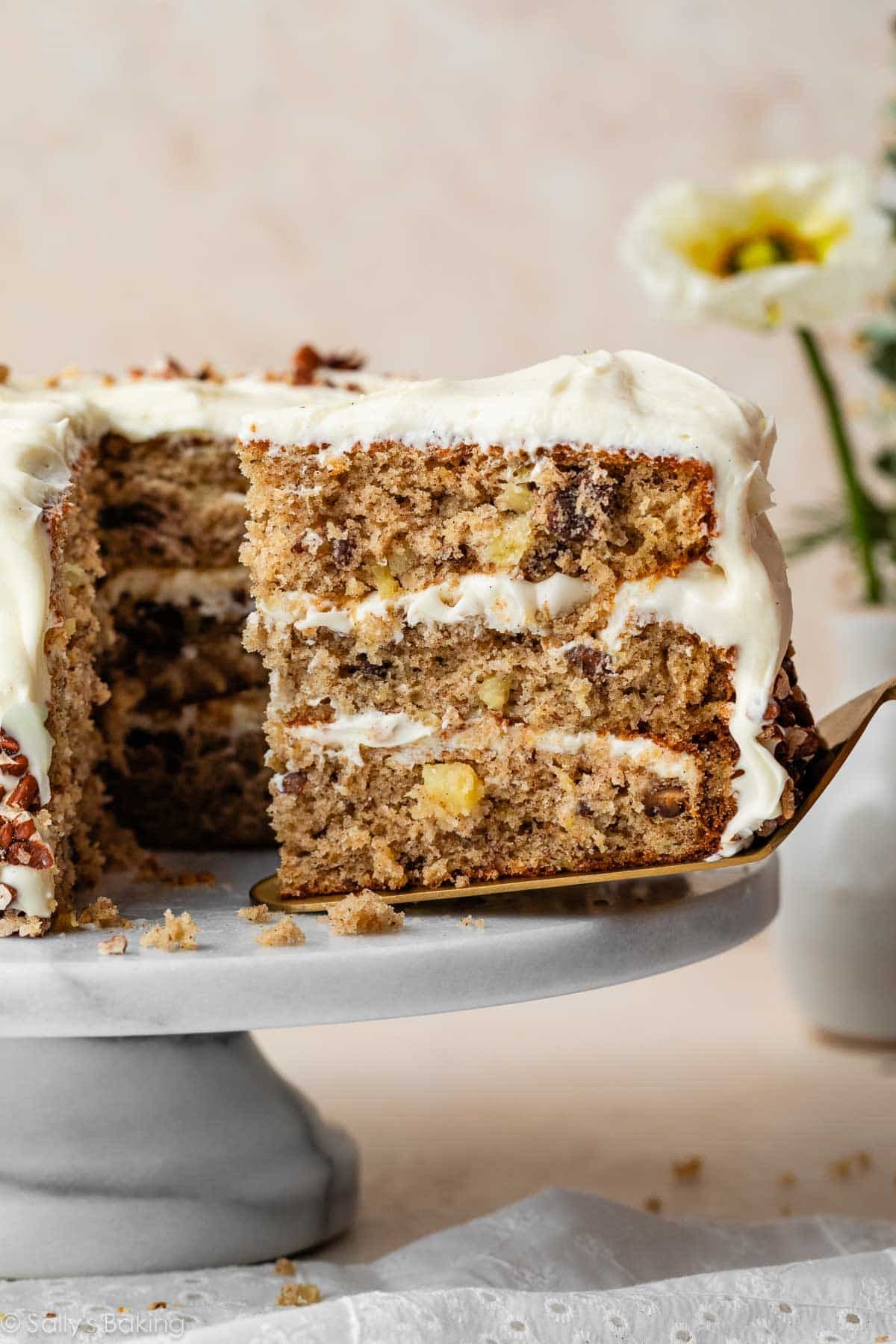
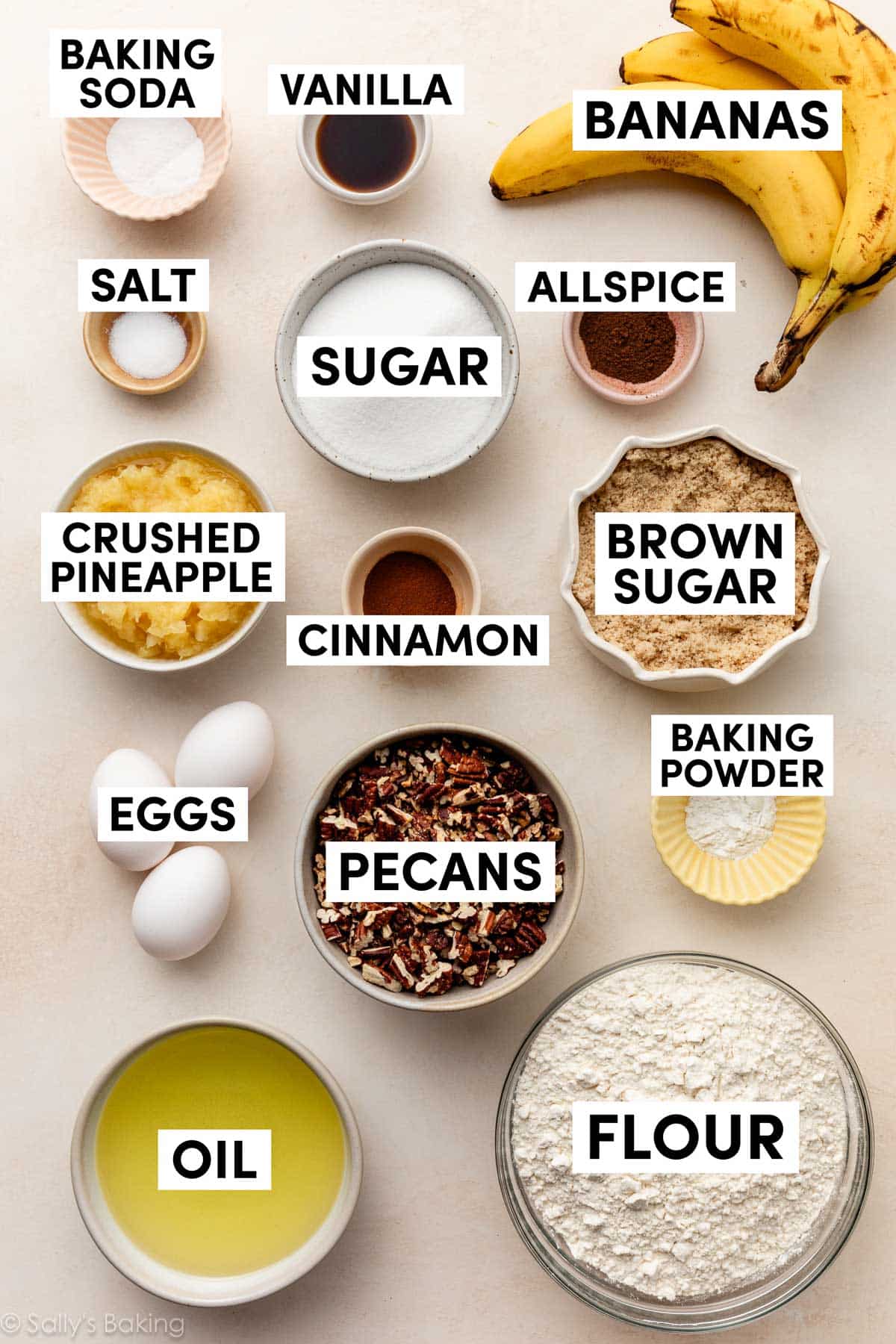
The sustained appeal of the Hummingbird Cake lies in a meticulous balance of its core ingredients and a surprisingly straightforward preparation method. Its signature "unbelievably moist" texture is primarily attributed to the combination of ripe bananas and crushed pineapple, which contribute both natural sweetness and essential moisture to the batter. Unlike many cakes that rely heavily on butter for richness, the Hummingbird Cake often incorporates vegetable oil, which further enhances its moistness and ensures a tender crumb that remains succulent for days. The ripe bananas, ideally those showing significant brown spots, lend a deep, mellow sweetness and a soft texture that melts into the cake structure, while the crushed pineapple, typically canned and well-drained, provides a bright, tangy counterpoint, preventing the cake from becoming overly sweet.
Beyond its fruit base, the cake’s aromatic complexity is derived from a blend of warm spices. While specific spice combinations can vary, allspice is a consistent star, often complemented by cinnamon and sometimes a hint of nutmeg. These spices evoke a sense of warmth and familiarity, grounding the tropical fruit notes in a comforting, traditional flavor profile. Toasted pecans, another quintessential Southern ingredient, are folded into the batter, offering a delightful textural contrast and a nutty depth that rounds out the flavor experience.
A significant factor contributing to its widespread adoption, especially among home bakers, is the relative ease of its preparation. Many popular recipes, including updated versions, emphasize that the cake batter requires no electric mixer, relying instead on simple whisking and folding techniques. This accessibility makes it an attractive option for both novice and experienced bakers, reducing barriers to entry for a dessert that delivers impressive results.
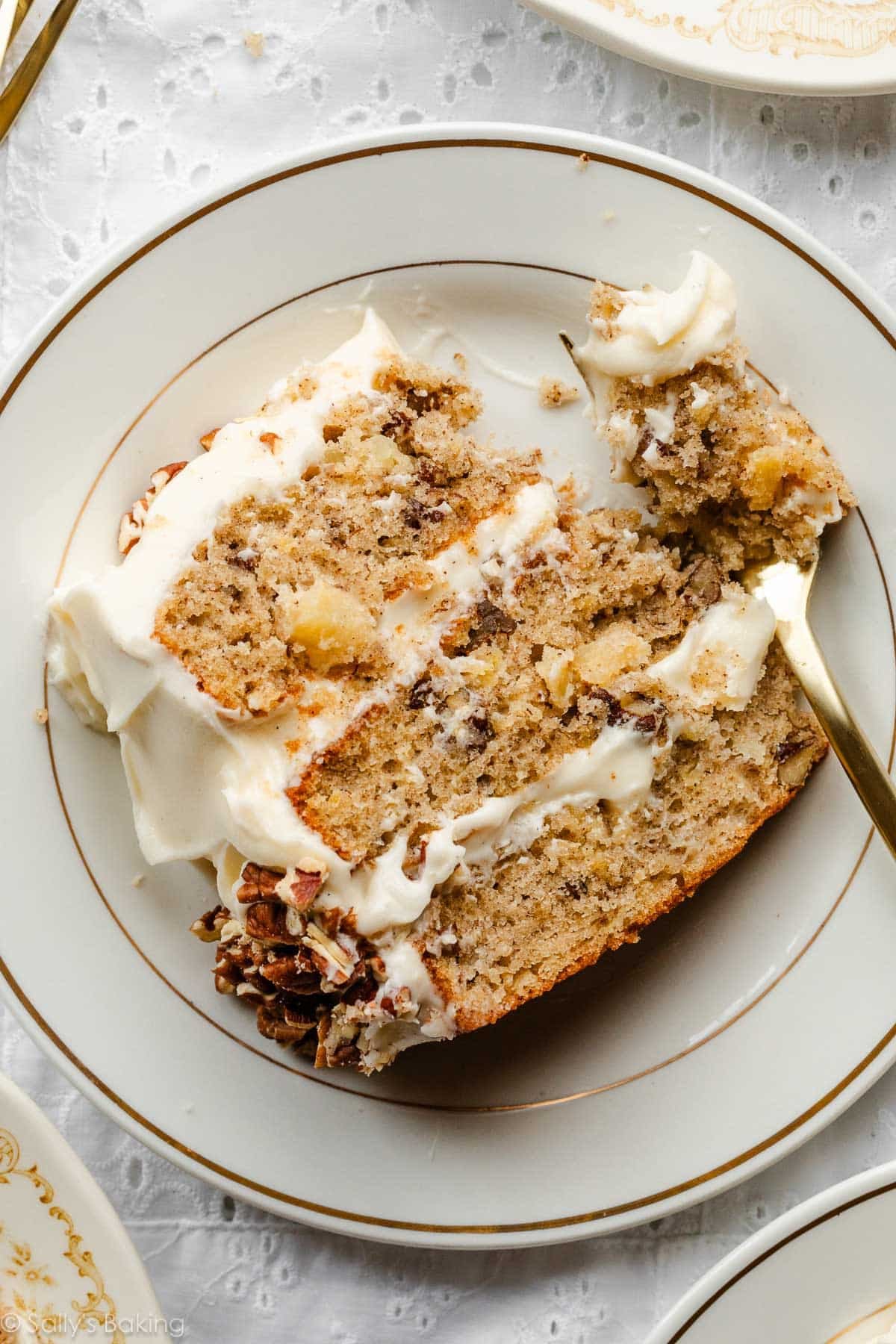
The quintessential companion to the Hummingbird Cake is its tangy cream cheese frosting. This rich, silky frosting is typically made from full-fat brick-style cream cheese, unsalted butter, confectioners’ sugar, vanilla extract, and a pinch of salt. The tanginess of the cream cheese provides a crucial balance to the inherent sweetness of the cake layers, creating a harmonious flavor profile that is both decadent and refreshing. The frosting’s creamy texture is designed to spread effortlessly, adhering beautifully to the moist cake layers without the need for an initial crumb coat, further simplifying the assembly process.
Modern Resurgence and Culinary Adaptability
In the contemporary culinary landscape, where trends ebb and flow, the Hummingbird Cake has demonstrated remarkable resilience and a sustained resurgence in popularity. Its timeless appeal aligns perfectly with current preferences for comforting, homemade desserts that evoke nostalgia while delivering sophisticated flavors. Food bloggers, online recipe platforms, and social media channels have played a crucial role in reintroducing and maintaining the cake’s visibility to new generations of bakers. For instance, a notable recipe initially published in 2017 received significant updates, including new photographs and enhanced success tips, underscoring ongoing interest and the desire to perfect this classic.
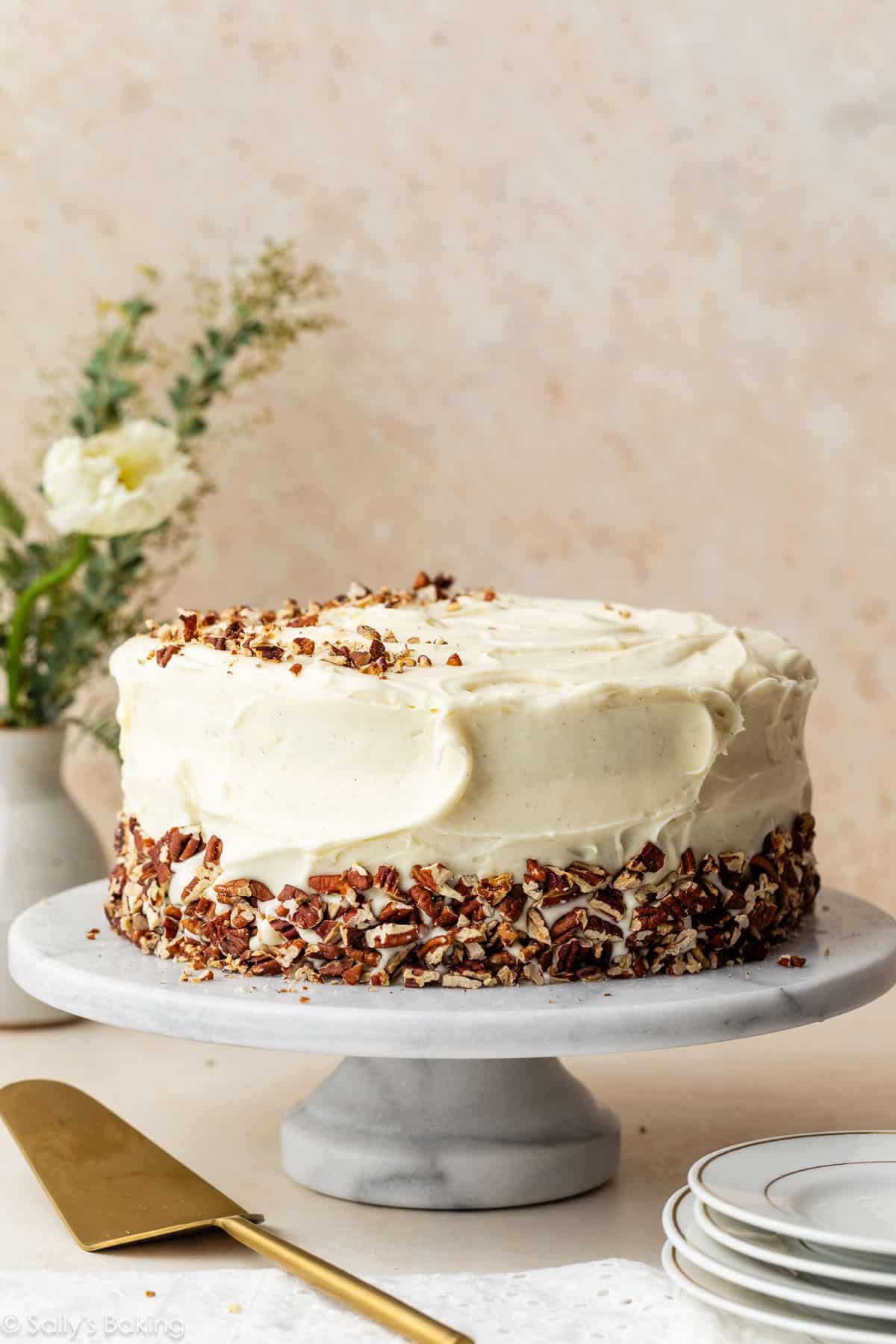
The cake’s versatility also contributes to its enduring relevance. It is a celebrated centerpiece for various occasions, from festive spring gatherings and Easter celebrations to more intimate family dinners or simply as a delightful way to utilize overripe bananas. Its ability to transcend seasonal boundaries, offering a taste of the tropics even in cooler months, expands its appeal. Furthermore, its adaptability is evident in variations that have emerged, such as Hummingbird Bundt cakes or cupcakes, which cater to different serving preferences and presentation styles while preserving the core flavor profile. Culinary experts note that the cake’s inherent richness and moisture make it particularly forgiving, allowing for slight variations in preparation without compromising the final product.
Expert Recommendations for Optimal Results
Achieving the perfect Hummingbird Cake, while surprisingly straightforward, benefits from adhering to several expert recommendations. The quality and preparation of key ingredients are paramount. Using ripe bananas, identifiable by their brown spots, is crucial for both flavor and moisture. Equally important is ensuring that crushed pineapple is thoroughly drained to prevent excess liquid from compromising the cake’s structure. Some bakers even press the pineapple gently in a sieve to extract maximum liquid. Pecans should be lightly toasted before being incorporated into the batter or used as a garnish; toasting enhances their flavor and crunch, elevating the overall sensory experience.
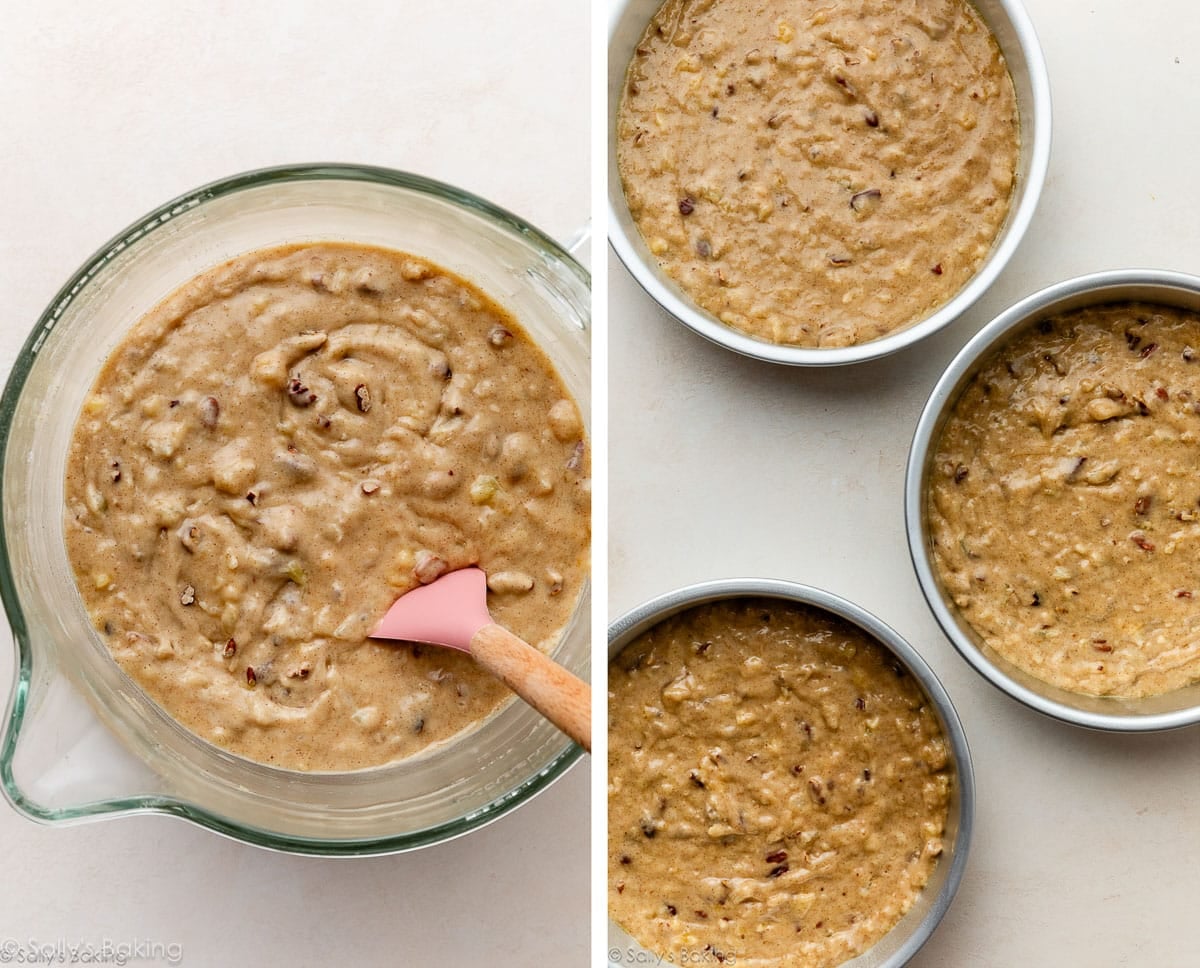
Precision in baking is another critical factor. While the batter is forgiving, accurate measurement of dry and wet ingredients ensures consistency. Avoiding overmixing the batter is essential to prevent gluten development, which can lead to a tough cake. For optimal thickness and presentation, 8-inch round cake pans are recommended, yielding lofty layers that stand up beautifully. While 9-inch pans can be used, bakers should anticipate thinner layers and adjust baking times accordingly.
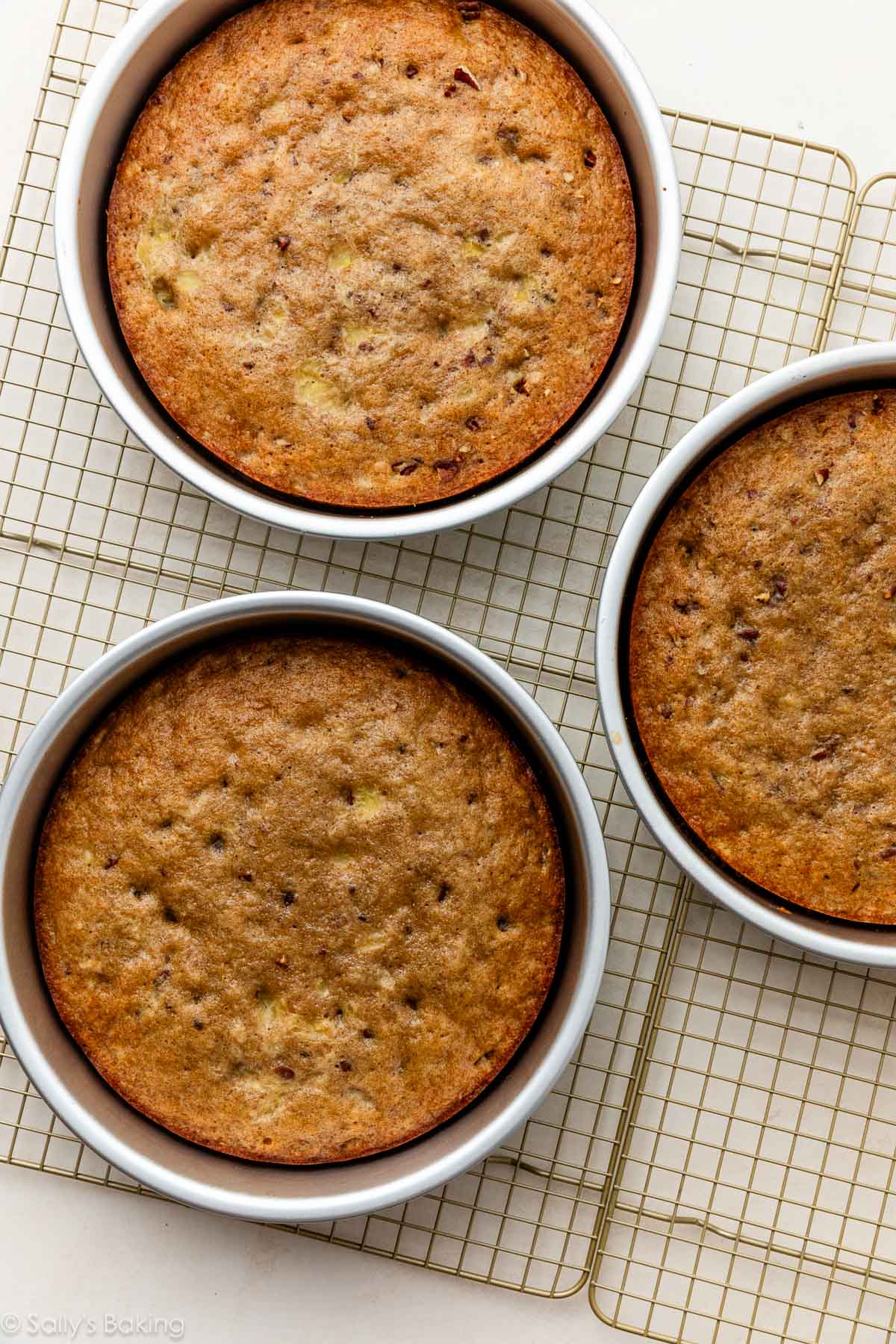
The cooling and assembly phases are equally important. Cakes must be cooled completely on a wire rack before frosting. Attempting to frost a warm cake will result in melted frosting and structural instability. For the cream cheese frosting, using full-fat, brick-style cream cheese at room temperature ensures a smooth, lump-free consistency. If the frosting appears too soft or "gloppy," a brief chill in the refrigerator can help it firm up to a more spreadable texture. While some layer cakes benefit from a crumb coat, the rich, creamy nature of this particular cream cheese frosting often negates its necessity, allowing for a smooth application in a single go.
Finally, allowing the assembled cake to rest for a few hours or, ideally, overnight in the refrigerator is a widely recommended practice. This period allows the flavors to "settle, mingle, and marry," deepening the cake’s complexity and enhancing its overall taste. Many enthusiasts claim that the cake is even more delicious on the second day, especially when served cold, as the frosting and cake layers fully meld.
Industry Insights and Public Acclaim
The sustained popularity of the Hummingbird Cake is not merely anecdotal but is reflected in broader culinary trends and consumer behavior. Food industry analysts note a consistent demand for comforting, traditional desserts, a category in which the Hummingbird Cake excels. Its reliance on widely available ingredients like bananas, pineapple, and pecans also contributes to its economic viability and accessibility for home bakers, potentially influencing ingredient sales in regional markets. Culinary historians often cite the Hummingbird Cake as a prime example of culinary fusion, showcasing how dishes can evolve and thrive as they traverse cultural boundaries, ultimately enriching a nation’s gastronomic heritage.
Public reception continues to be overwhelmingly positive, with numerous testimonials echoing the sentiments of long-time admirers. As one home baker, Marcy, commented on a popular recipe platform, "Made this for the first time yesterday and shared with my colleagues today (I had never had hummingbird cake before). Delicious!!!! And my colleagues LOVED it. Recipe was easy to follow and not complicated." Such feedback underscores the cake’s ability to captivate new audiences while retaining its ease of preparation, a critical factor in its enduring appeal in a world that values both quality and convenience.
In conclusion, the Hummingbird Cake stands as a magnificent culinary achievement, a testament to the power of well-balanced flavors and a compelling history. From its origins as the "Doctor Bird Cake" in Jamaica to its pivotal popularization by Southern Living magazine, this dessert has gracefully woven itself into the fabric of Southern American cuisine. Its unique blend of tropical fruits, warm spices, and a luscious cream cheese frosting, combined with its accessibility for home bakers, ensures its continued status as a cherished culinary icon, poised to delight generations to come.
