
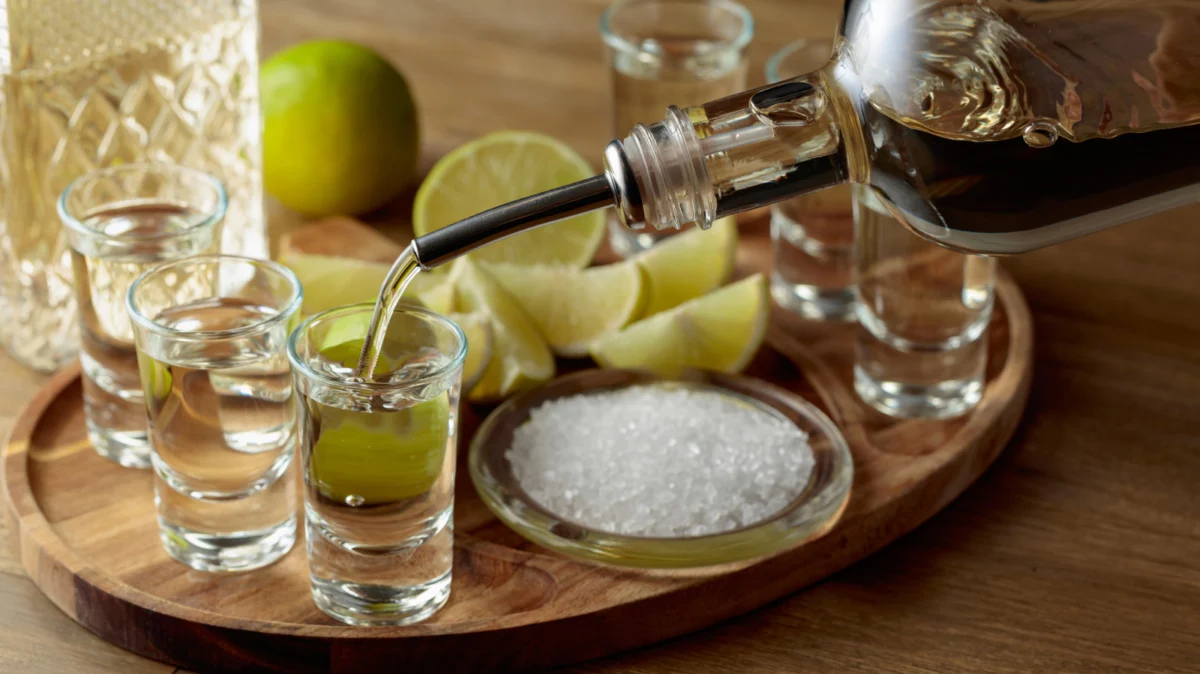
For many consumers, tequila is a spirit of choice, particularly when it possesses a smoothness that lends itself to regular enjoyment, yet remains vibrant enough for shots or contemplative sipping. However, the concept of "regular imbibing" becomes complex when attempting to define the precise threshold of "how much is too much." For enthusiasts of this agave-based spirit, expert insights into the consequences of daily tequila consumption are crucial. Destini Moody, a registered dietitian-nutritionist and certified specialist in sports dietetics at VNutrition, indicates that the effects of drinking tequila every day can be substantial and far-reaching.
"Like any other form of liquor," Moody states, "daily consumption of tequila is not conducive to overall health." This assertion aligns with a considerable body of scientific research that corroborates her claim. "Processing alcohol puts an enormous amount of strain on the liver, which perceives alcohol as a toxin that must be cleared from the system immediately," she explains. "As a result, daily consumption can result in liver damage, fatty liver, weight gain, and lower metabolism."
The liver’s role in metabolic processes is central to understanding these impacts. It is responsible for metabolizing alcohol, a process that can divert its resources from other vital functions, including the storage and burning of fat. When alcohol is consumed daily, this disruption can become chronic, potentially hindering weight management efforts and contributing to an overall decline in metabolic efficiency.
The Nuances of Tequila Consumption: Shots vs. Mixed Drinks
The manner in which tequila is consumed can also influence its health effects. While tequila is often associated with straight shots, a practice that some believe allows for a more direct appreciation of its diverse flavor profiles—from the crisp notes of blanco to the aged complexity of reposado, añejo, extra añejo, or the filtered clarity of cristalino—this method of consumption carries its own implications.
Moody points out that tequila, when consumed as shots, is often taken without the addition of sugary mixers such as soda, juice, or syrups, which are commonly paired with other spirits. In this regard, individuals who opt for straight tequila shots might consume fewer overall calories and less sugar than those who mix their spirits with caloric and sugary beverages. However, the caloric impact of alcohol itself cannot be overlooked. "Either way, though, any shot of liquor equals about 100 calories," Moody notes, "which can make a long night of partying injurious to your waistline." This suggests that regardless of the spirit or the presence of mixers, the alcohol content inherently contributes to caloric intake.
Understanding Recommended Alcohol Consumption Guidelines
The question of what constitutes a responsible level of tequila drinking, or any alcohol consumption for that matter, is guided by public health recommendations. The National Institute on Alcohol Abuse and Alcoholism (NIAAA) provides guidelines for moderate alcohol consumption. For women, this is defined as consuming no more than one standard drink per day, and for men, no more than two standard drinks per day. A standard drink of spirits, including tequila, is typically defined as 1.5 fluid ounces (44 ml) of 80-proof alcohol.
However, these guidelines represent the upper limit of what is considered moderate drinking and do not imply that daily consumption at these levels is without risk. Many health professionals, including registered dietitians like Moody, advocate for a more cautious approach. "Personally, as a dietitian, I would recommend abstaining from alcohol, except for on special occasions," she explains. "This is because data has shown that daily use — even in small amounts — increases risk of chronic diseases like heart and liver disease, as well as cancer."
The Liver’s Burden: Alcohol as a Toxin
The liver’s primary function is to detoxify the body, and alcohol is recognized as a potent toxin. When alcohol enters the bloodstream, the liver prioritizes its elimination. This process involves a series of enzymatic reactions that break down ethanol. However, this metabolic pathway is energy-intensive and can lead to the accumulation of toxic byproducts, such as acetaldehyde, which can cause cellular damage.
Chronic daily alcohol consumption overwhelms the liver’s capacity to process alcohol efficiently. This can lead to a cascade of liver conditions:
- Fatty Liver Disease (Hepatic Steatosis): The liver begins to accumulate fat droplets as it struggles to metabolize fats and alcohol simultaneously. This is often the earliest stage of alcohol-related liver disease and can be reversible if alcohol consumption ceases.
- Alcoholic Hepatitis: This is a more severe inflammatory condition of the liver that can cause jaundice, fever, and abdominal pain. It can be life-threatening and may lead to irreversible liver damage.
- Cirrhosis: This is the most advanced stage of liver disease, characterized by extensive scarring (fibrosis) of the liver tissue. Scar tissue replaces healthy liver cells, impairing liver function and leading to serious complications such as liver failure, portal hypertension, and liver cancer.
The World Health Organization (WHO) has consistently highlighted the link between alcohol consumption and increased risk of numerous chronic diseases. Studies published in reputable medical journals like The Lancet have indicated that there is no safe level of alcohol consumption when it comes to cancer risk. The International Agency for Research on Cancer (IARC) classifies alcoholic beverages as Group 1 carcinogens, meaning there is sufficient evidence that alcohol causes cancer in humans.
Metabolic Disturbances and Weight Gain
Beyond liver health, daily tequila consumption can significantly impact metabolism and contribute to weight gain. As previously mentioned, the liver plays a crucial role in regulating fat metabolism. When it is constantly engaged in processing alcohol, its ability to efficiently break down dietary fats and mobilize stored body fat is compromised.
Alcohol itself is calorie-dense, providing approximately 7 calories per gram, compared to carbohydrates and proteins which provide 4 calories per gram, and fat which provides 9 calories per gram. A standard shot of tequila (1.5 ounces of 80-proof) contains roughly 97 calories, primarily from alcohol. Consuming multiple shots daily, or incorporating tequila into mixed drinks with sugary components, can rapidly increase daily caloric intake.
Furthermore, alcohol can influence appetite-regulating hormones and neurotransmitters, potentially leading to increased cravings for unhealthy, high-calorie foods. This combination of direct caloric contribution from alcohol and its indirect effects on appetite and metabolism can make it challenging for individuals to maintain a healthy weight or to lose excess weight.
Broader Health Implications of Daily Alcohol Use
The detrimental effects of daily tequila consumption extend beyond the liver and metabolism. Chronic alcohol intake is a significant risk factor for a wide range of health problems, including:
- Cardiovascular Disease: While moderate alcohol consumption has been anecdotally linked to some cardiovascular benefits, heavy or daily drinking significantly increases the risk of high blood pressure, heart muscle damage (cardiomyopathy), stroke, and irregular heart rhythms (arrhythmias).
- Pancreatitis: The pancreas, which produces digestive enzymes and hormones like insulin, is highly susceptible to alcohol-induced damage. Chronic alcohol abuse is a leading cause of acute and chronic pancreatitis, a painful and potentially life-threatening inflammation of the pancreas.
- Neurological Damage: Alcohol is a neurotoxin that can impair brain function. Daily heavy drinking can lead to cognitive deficits, memory problems, coordination issues, and an increased risk of neurological disorders such as Wernicke-Korsakoff syndrome.
- Mental Health Issues: While some may use alcohol to cope with stress or anxiety, chronic use can exacerbate or contribute to the development of mental health conditions, including depression, anxiety disorders, and alcohol dependence.
- Cancer: As noted by the IARC, alcohol consumption is a known carcinogen. It is linked to an increased risk of several types of cancer, including cancers of the mouth, throat, esophagus, liver, breast, and colon.
Expert Recommendations and Healthier Alternatives
Given the profound health risks associated with daily alcohol consumption, the consensus among health professionals is to limit or abstain from alcohol. For those who choose to drink, adhering to moderate consumption guidelines is essential. However, as highlighted by Destini Moody, the most health-conscious recommendation is often abstinence, reserving alcohol consumption for very infrequent, special occasions.
This perspective is supported by extensive epidemiological data. A comprehensive review published in The Lancet in 2018 analyzed data from millions of individuals and concluded that there is no threshold below which alcohol consumption is not associated with increased health risks, particularly for certain cancers and cardiovascular diseases.
For individuals seeking to enjoy the social or ritualistic aspects of drinking without the health consequences, numerous alternatives exist:
- Non-Alcoholic Spirits and Cocktails: The market for high-quality non-alcoholic beverages has expanded significantly. Sophisticated non-alcoholic spirits, crafted to mimic the complexity of traditional liquors, and a wide array of zero-proof cocktail recipes allow for the enjoyment of nuanced flavors without alcohol.
- Sparkling Water and Infused Beverages: Simple yet refreshing options like sparkling water with fresh fruit or herbs can provide a satisfying sensory experience.
- Herbal Teas and Mocktails: A diverse range of herbal teas offer unique flavors and potential health benefits, while creative mocktail recipes can replicate the festive feel of cocktails.
Ultimately, while tequila can be a spirit enjoyed responsibly in moderation, daily consumption poses significant and undeniable risks to overall health. Understanding these risks, supported by scientific evidence and expert advice, is paramount for making informed decisions about alcohol intake. Consulting with healthcare professionals, including registered dietitians and medical doctors, can provide personalized guidance and support for managing alcohol consumption and improving overall well-being. The journey from agave to glass, when enjoyed with awareness and moderation, can be a part of a balanced lifestyle, but daily indulgence, particularly in spirits like tequila, warrants serious consideration of its long-term health implications.
