
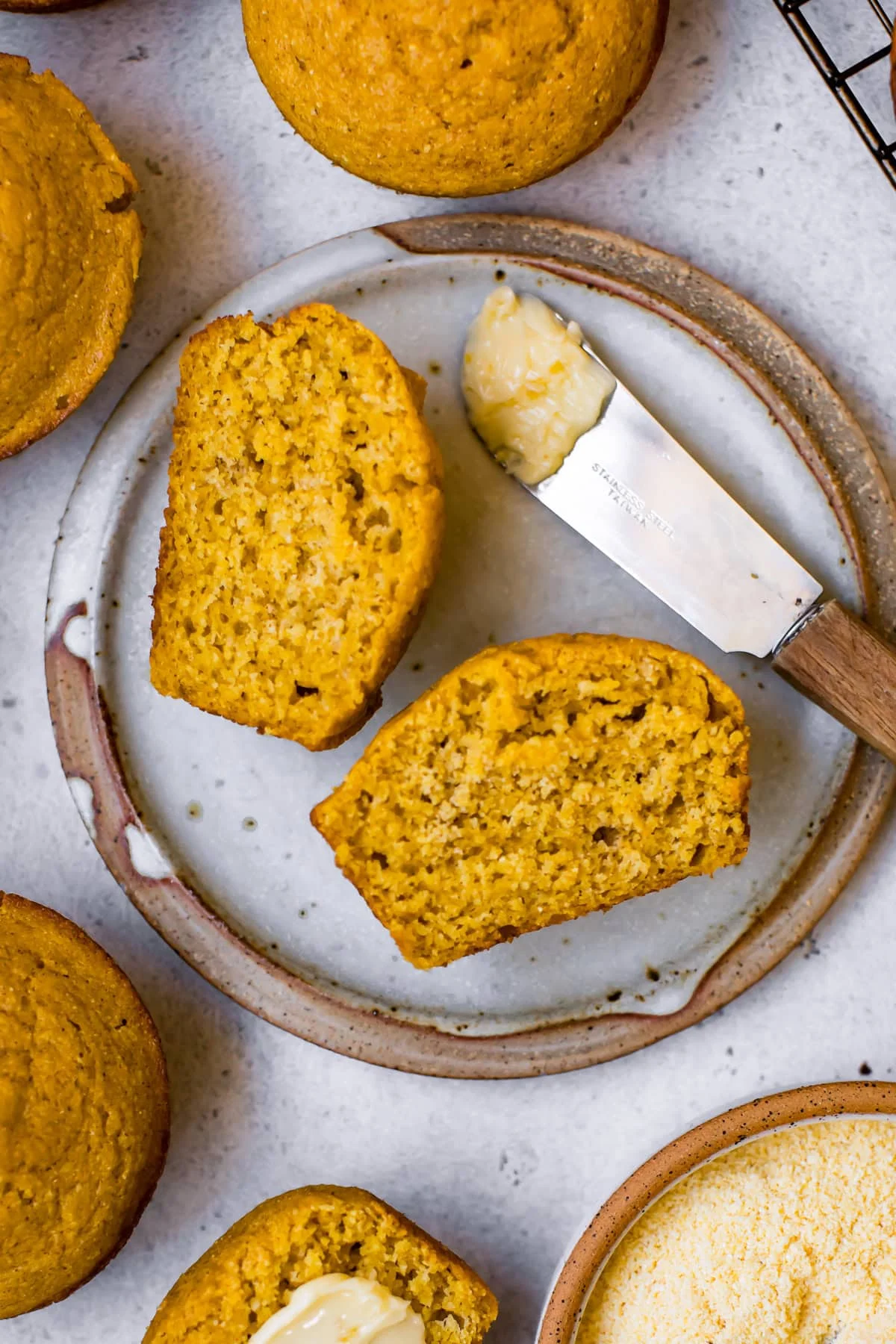
This recipe, which repurposes a foundation of classic cornbread by integrating canned pumpkin puree and warming spices, represents a broader trend in food media where home-style classics are adapted to meet contemporary health-conscious preferences. With a yield of 12 servings and a caloric profile of approximately 124 kcal per muffin, the dish offers a lower-fat alternative to traditional, butter-heavy cornbread recipes while maintaining the structural integrity required for a breakfast item or a dinner side.
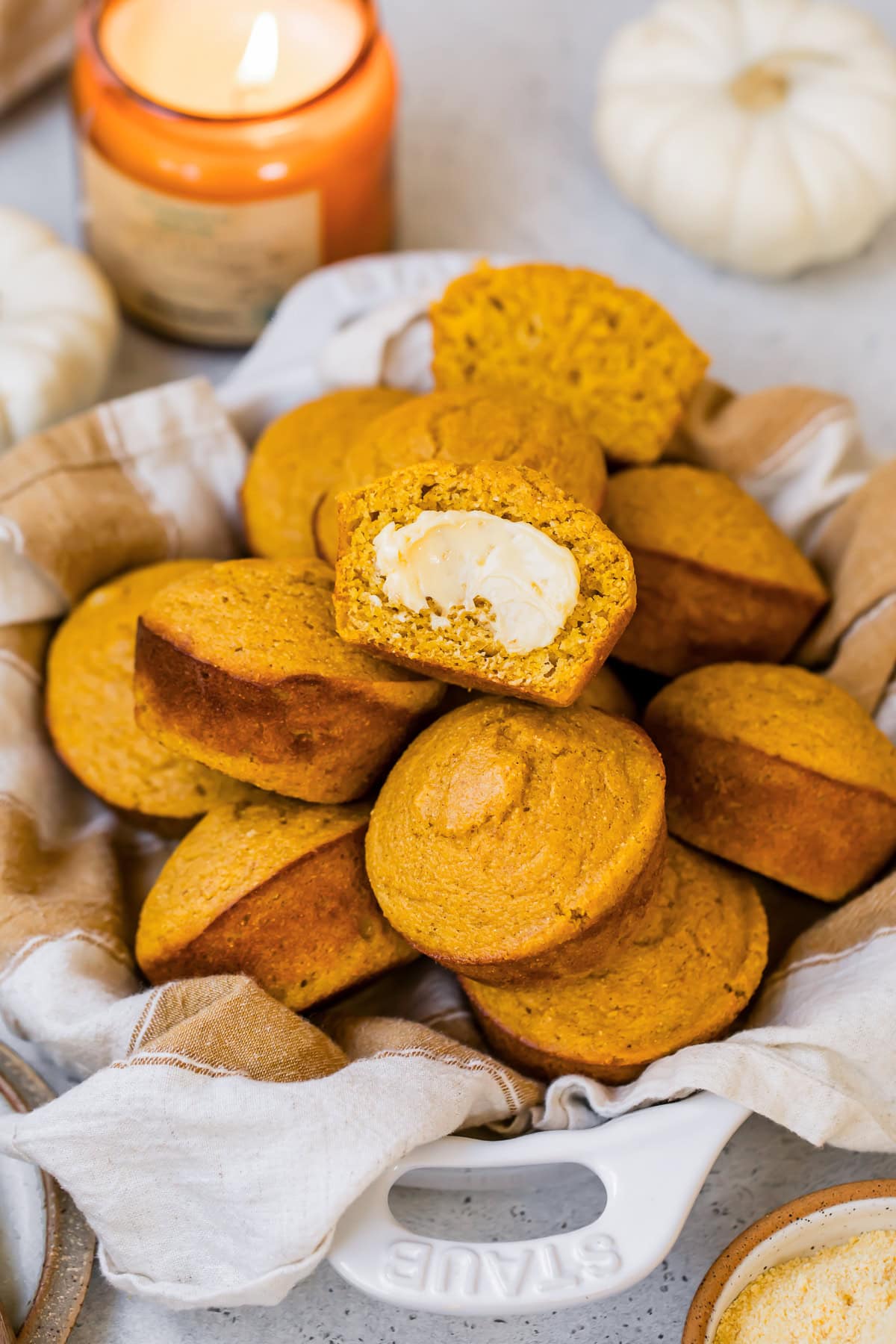
The Culinary Evolution of Seasonal Baking
The incorporation of pumpkin into non-dessert staples such as cornbread reflects a long-standing tradition in North American agriculture. Historically, pumpkins were a dietary staple for indigenous peoples and early settlers, valued for their long shelf life and versatility. In the modern era, the "pumpkin spice" phenomenon has transcended its original association with coffee-based beverages and pies, moving into savory applications.
By substituting corn kernels with pumpkin puree, the texture of the muffin undergoes a chemical transformation. The high water content in pumpkin provides a natural humectant, allowing the muffins to remain moist without the necessity of excessive oil or fats. This adjustment is particularly relevant for consumers monitoring their saturated fat intake, as the current formulation uses minimal fat sources to achieve a soft crumb. The inclusion of pumpkin pie spice—a blend typically consisting of cinnamon, nutmeg, ginger, cloves, and allspice—adds a sensory layer that aligns with consumer expectations for fall-flavored cuisine.
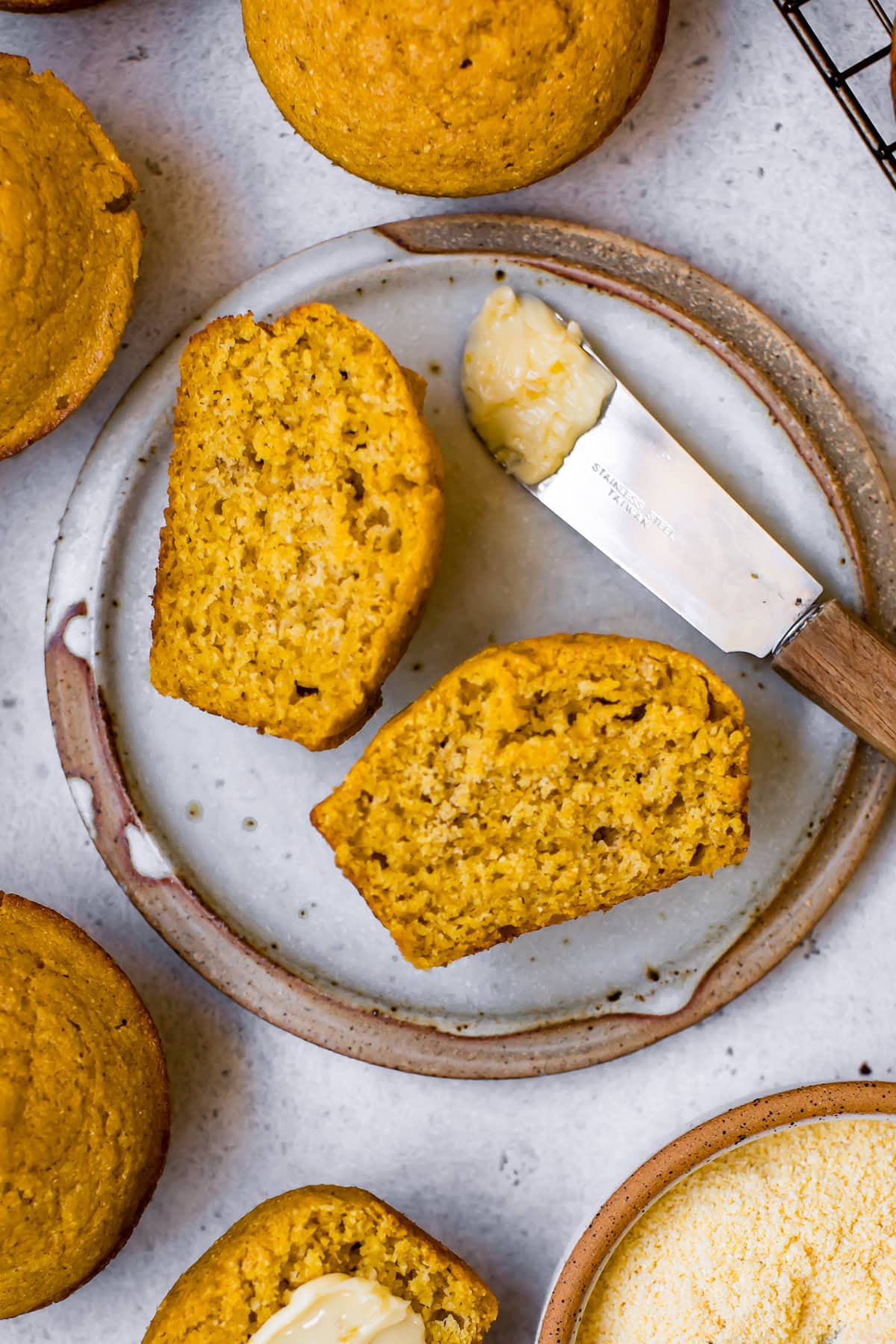
Nutritional Analysis and Ingredient Composition
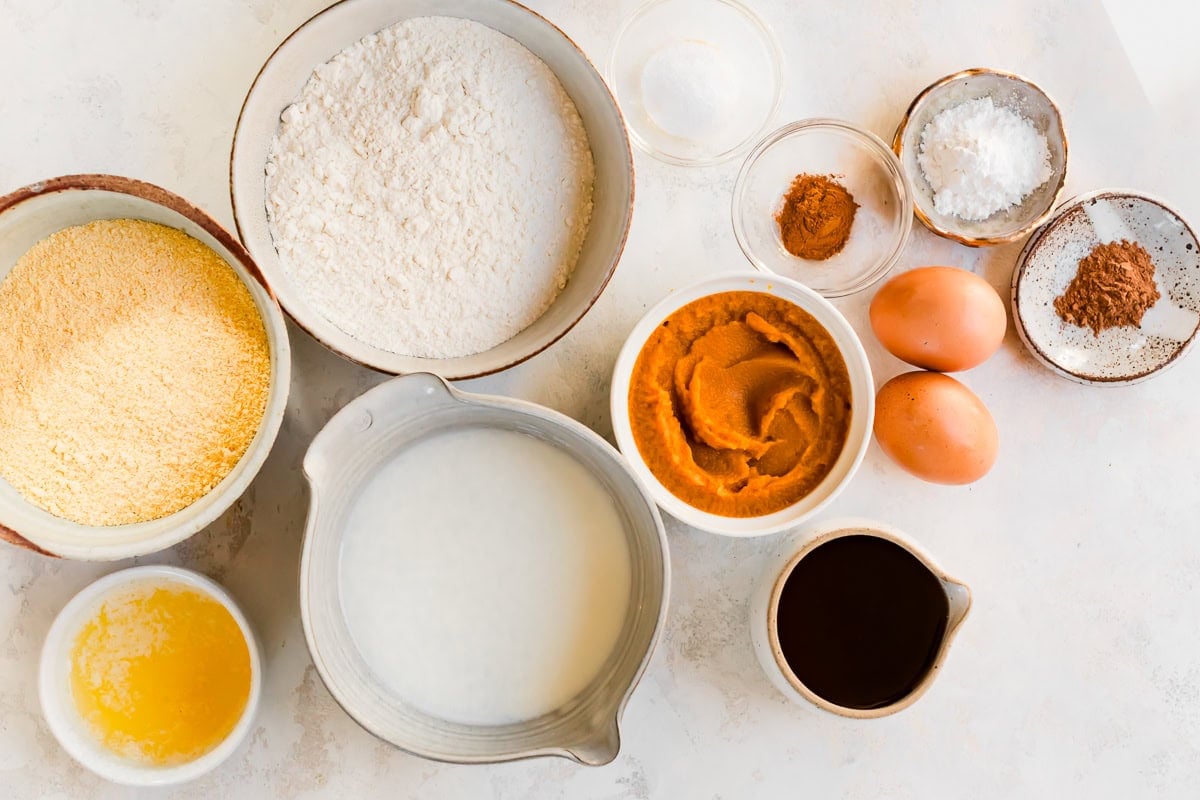
From a nutritional perspective, these muffins provide a measured balance of macronutrients. The core ingredients—cornmeal, flour, pumpkin puree, maple syrup, and baking powder—work in concert to produce a product that is relatively low in sugar compared to commercial muffin varieties.
The nutritional breakdown is as follows:

- Calories: 124 kcal per serving
- Protein: 4g
- Fat: 3.5g (with 1.5g saturated fat)
- Carbohydrates: 30.5g
- Fiber: 1.5g
- Sodium: 222.5mg
The use of maple syrup as a primary sweetener offers a distinct flavor profile that pairs well with the earthiness of cornmeal, while the controlled sodium content—largely derived from baking agents—remains well within recommended daily allowances for a single serving. This recipe demonstrates that "healthy" modifications do not require the sacrifice of traditional textures, provided that the wet-to-dry ingredient ratios are precisely calibrated.
Chronology of Preparation and Methodology
For the home cook, the preparation of this dish is optimized for efficiency, with a total time requirement of 40 minutes. The process is divided into three distinct phases:

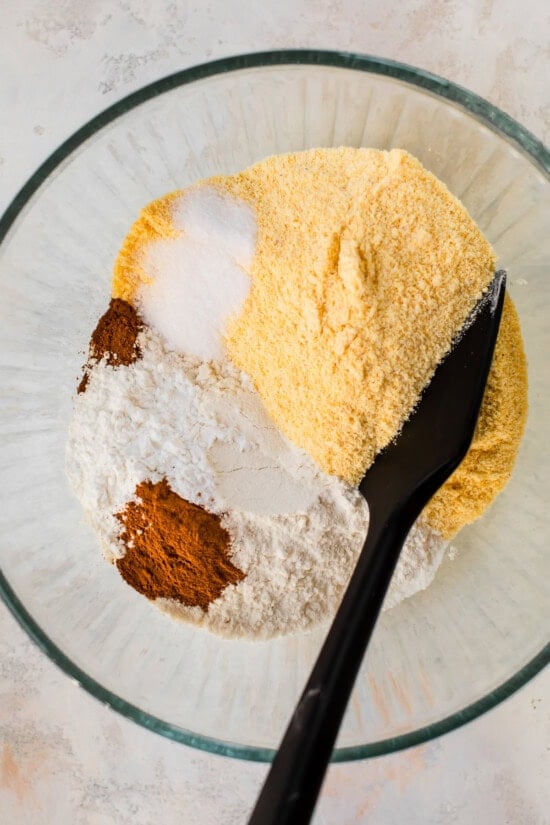
- Preparation (15 minutes): This involves the activation of the oven to the required temperature and the separation of dry and wet ingredients. Standard procedure dictates that dry components—cornmeal, flour, baking powder, and spices—should be whisked together to ensure uniform distribution of leavening agents.
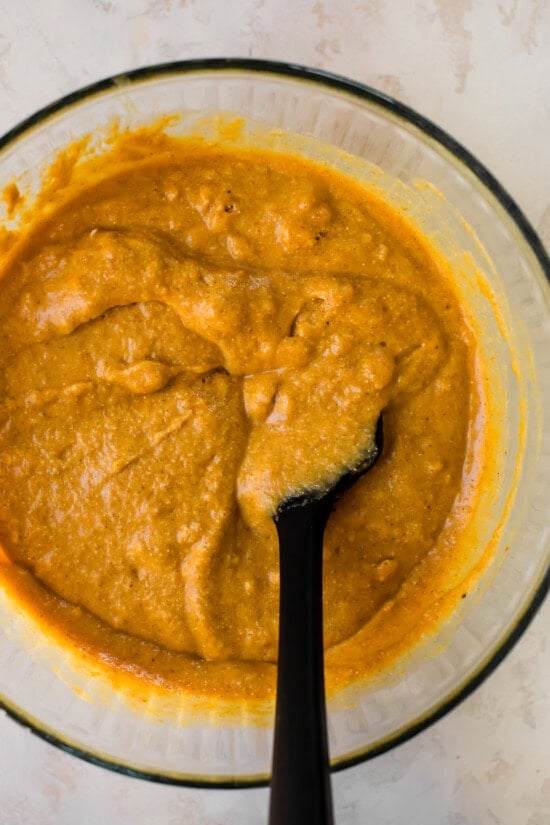
- Mixing and Assembly (5 minutes): The wet ingredients, including the pumpkin puree and maple syrup, are folded into the dry mixture. Excessive mixing at this stage is cautioned against, as it can lead to gluten development, resulting in a dense rather than airy muffin.
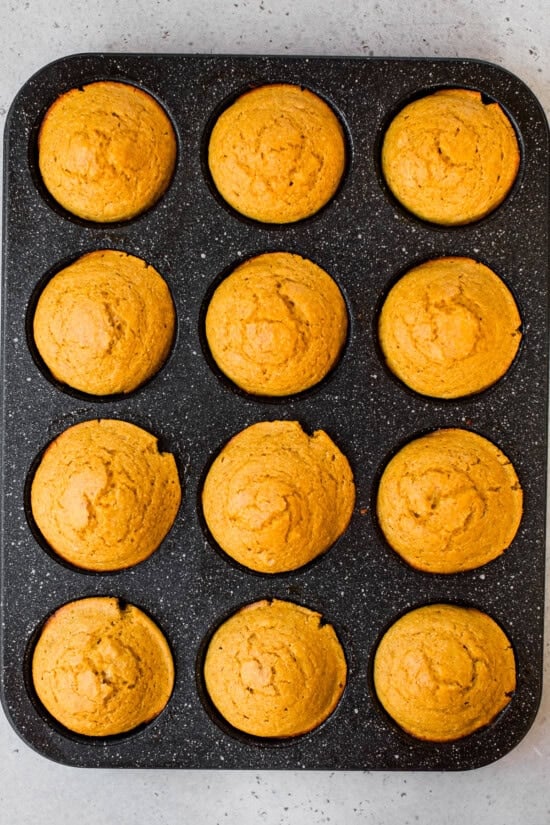
- Thermal Processing (15 minutes): The muffins are baked until a toothpick inserted into the center emerges clean. A mandatory cooling period of 10 minutes follows to allow the structure to set, preventing the muffins from crumbling upon removal from the tin.
For those lacking specialized muffin tins, the recipe is adaptable for larger formats, such as 9-inch round pans or cast-iron skillets. However, baking times must be adjusted to 22–25 minutes to account for the increased mass and heat distribution dynamics of larger vessels.
Broader Market Impact and Culinary Implications
The rise of such recipes suggests a shift in how families approach holiday and seasonal dining. As economic pressures influence food spending, the ability to utilize staple ingredients—such as canned pumpkin, which is shelf-stable and cost-effective—to create "elevated" or "gourmet-style" meals is increasingly attractive.
Food industry analysts have noted that "scratch" cooking has seen a resurgence post-2020. This trend is driven by a desire for transparency in ingredients and a return to home-centric social activities. The Pumpkin Cornbread Muffin is a prime example of this, serving as a versatile anchor for a meal. Whether paired with high-protein sides like cottage cheese scrambled eggs for breakfast, or as a dense, flavor-absorbing side for traditional chili at dinner, the muffin offers utility across multiple meal periods.
Storage and Preservation Protocols
In the context of food safety and quality preservation, the moisture content provided by the pumpkin requires specific storage protocols. Once baked, the muffins should be kept in an airtight container at room temperature for up to three days. For longer storage, refrigeration is recommended to inhibit mold growth, though this may alter the texture.
For optimal quality, the muffins can be frozen. To reheat, placing them in an oven or toaster oven for a few minutes restores the exterior crispness that defines a high-quality cornbread product. This storage flexibility is a key factor in the recipe’s utility for meal-prepping, a habit adopted by an increasing number of time-constrained households.
Expert Culinary Perspectives
Professional chefs who have experimented with this variation note that the addition of spices is not merely a stylistic choice but a functional one. The warming properties of ginger and cinnamon are known to enhance the perception of sweetness without requiring additional caloric additives. Furthermore, the use of pumpkin adds a vibrant aesthetic appeal to the plate, which is a significant factor in the modern era of food photography and social sharing.
The decision to make the spice profile mandatory rather than optional—based on internal feedback from testers—highlights the importance of bold flavor profiles in modern home cooking. As consumer palates become more accustomed to complex flavor combinations, the integration of savory elements into sweet, or vice-versa, continues to push the boundaries of traditional American baking.
Conclusion: The Future of Seasonal Home Staples
Pumpkin Cornbread Muffins represent more than just a seasonal treat; they embody the intersection of convenience, nutrition, and tradition. By successfully modifying a classic staple to include a nutrient-dense ingredient, this recipe serves as a blueprint for how home cooks can experiment with their own diets. As the culinary landscape continues to prioritize health-conscious, ingredient-forward cooking, the success of such adaptations suggests that the future of home baking will be defined by its ability to remain both familiar and innovative.
Whether one is a novice in the kitchen or an experienced home cook, the scalability and adaptability of this recipe ensure its place in the modern repertoire. By following established, scientifically sound baking principles—such as proper mixing and controlled cooling—the home cook can achieve consistent results that rival professional baked goods while maintaining total control over the nutritional output of the final product.
