
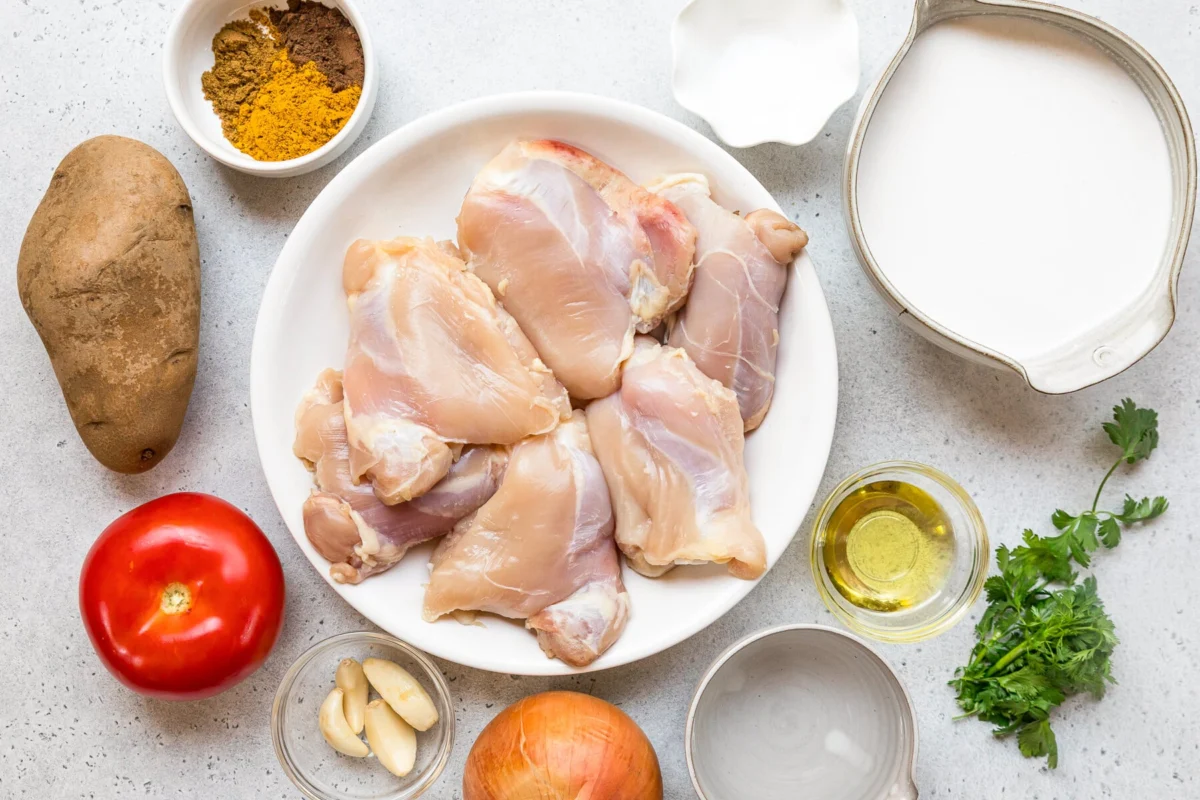
The global ubiquity of chicken curry, particularly the iteration featuring coconut milk, represents a significant intersection of traditional South Asian culinary techniques and the modern shift toward accessible, one-pan home cooking. Historically rooted in the diverse regional cuisines of India, Thailand, and Southeast Asia, the dish has undergone a domestic transformation, becoming a staple in contemporary Western kitchens. This evolution is defined by a move toward streamlining complex spice profiles into a single, cohesive, and time-efficient dinner solution that balances nutritional value with high-sensory appeal.
Historical Context and the Rise of Home-Style Curries
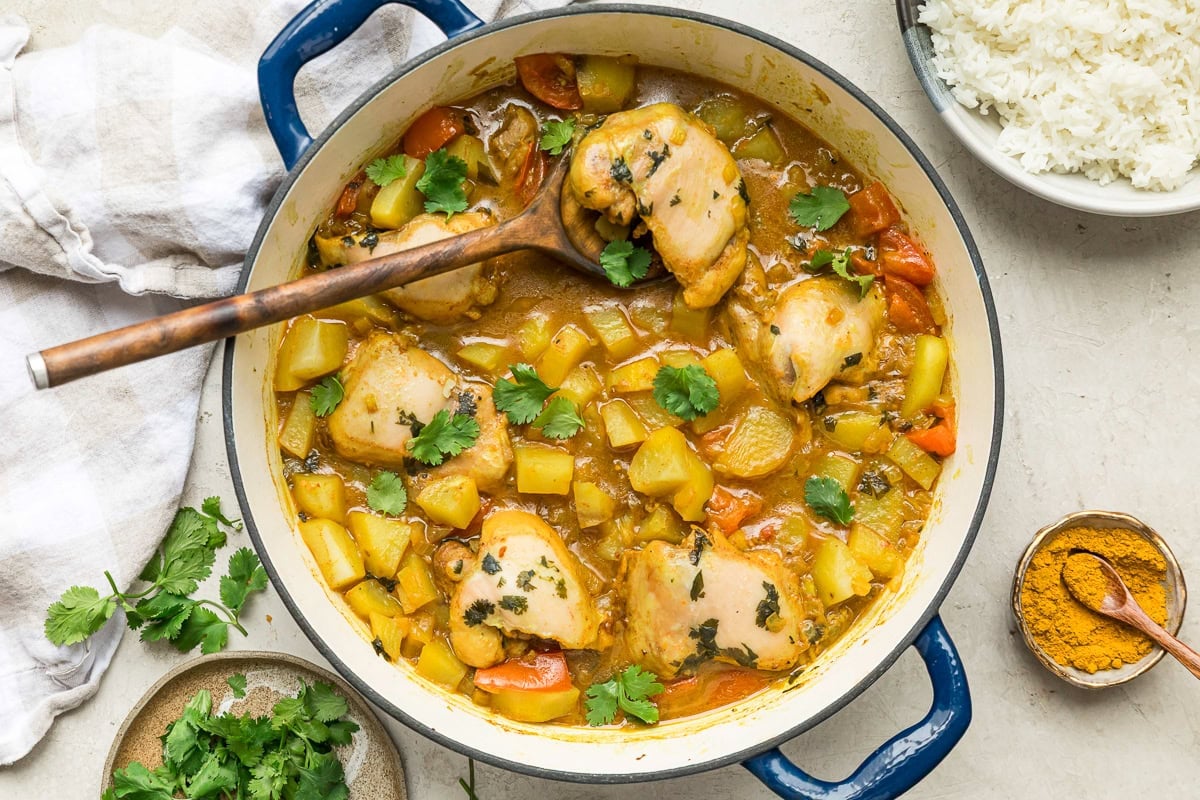
The origins of chicken curry are inherently tied to the colonial and trade interactions that facilitated the movement of spices such as cumin, turmeric, and coriander across the globe. While the traditional preparation of curry often involved the labor-intensive process of grinding fresh aromatics and tempering spices in hot oil, the late 20th and early 21st centuries saw a marked shift toward the "easy-cook" model.
In the domestic sphere, the integration of coconut milk as a primary thickening and flavor-balancing agent represents a fusion of regional preferences. In South Indian and coastal Thai cuisines, coconut milk provides a creamy, cooling contrast to the heat of chili peppers and pungent dry spices. For the modern home cook, this ingredient serves as a functional tool, providing a rich, velvety texture that stabilizes the dish and ensures that the lean proteins—typically chicken thighs—remain succulent throughout the cooking process.
Chronology of Modern Preparation Methods
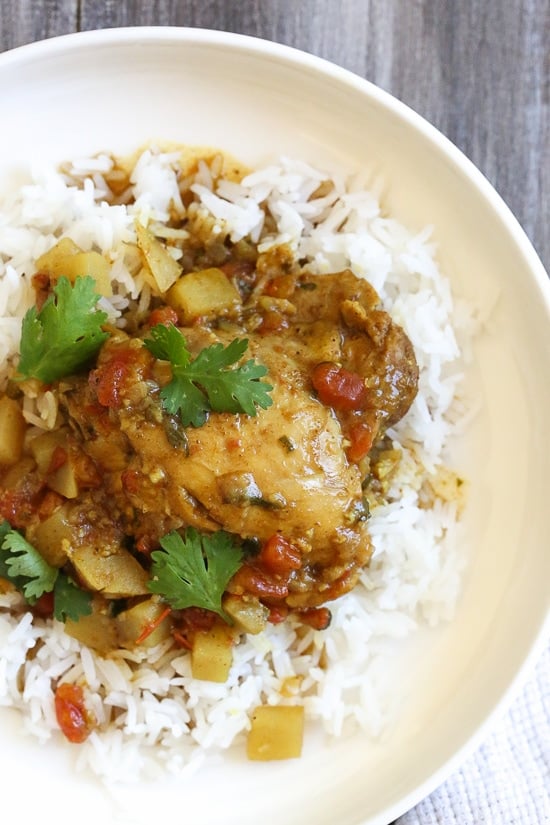
The contemporary methodology for preparing this dish typically follows a standardized three-stage progression: the aromatic base, the protein infusion, and the final reduction.
-
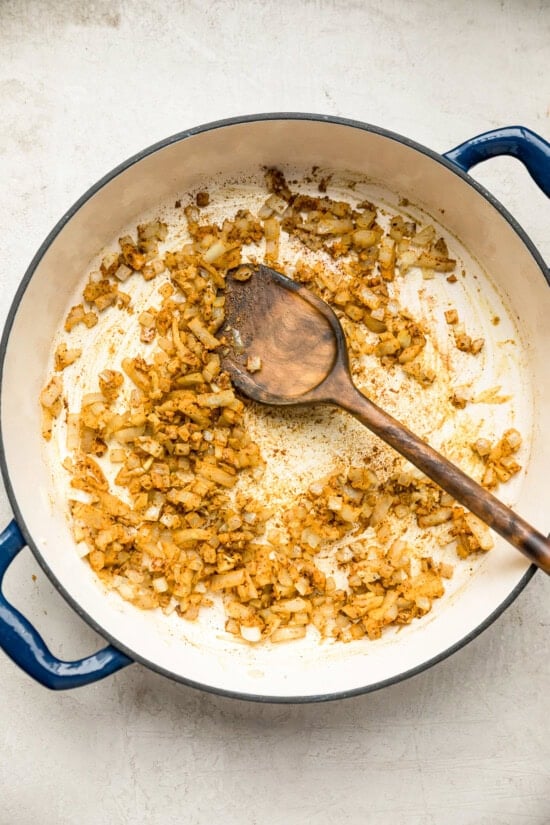
The Foundation: The process begins with the sautéing of onions, garlic, and fresh ginger. This stage is critical for the Maillard reaction, which develops deep flavor profiles that cannot be achieved through boiling or simmering alone. The addition of curry powder, garam masala, and cumin at this stage allows the fat-soluble compounds in the spices to bloom, significantly intensifying the final aroma.
-
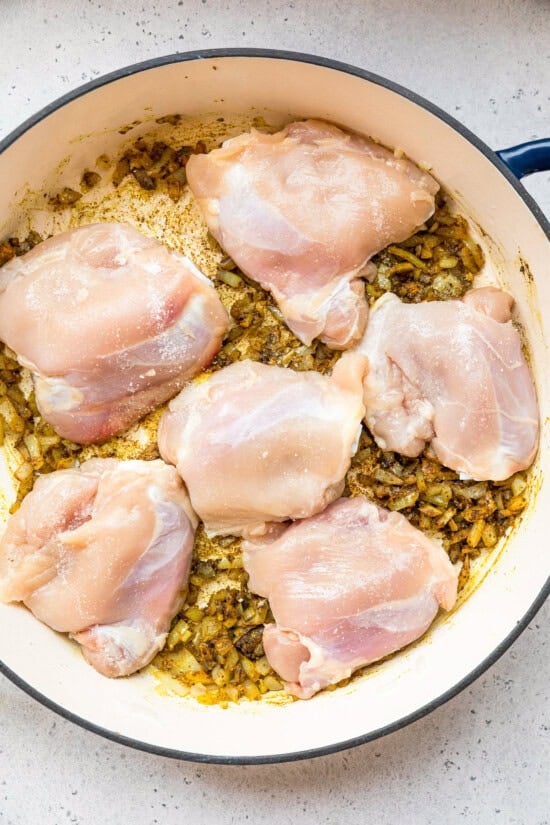
Protein Integration: Culinary experts consistently identify bone-in, skin-on chicken thighs as the optimal protein for this dish. Unlike chicken breasts, which are susceptible to drying during the extended simmering required to fully cook potatoes, thighs contain higher levels of intramuscular fat and connective tissue. As the chicken simmers, this collagen breaks down, providing a natural body to the sauce.

-
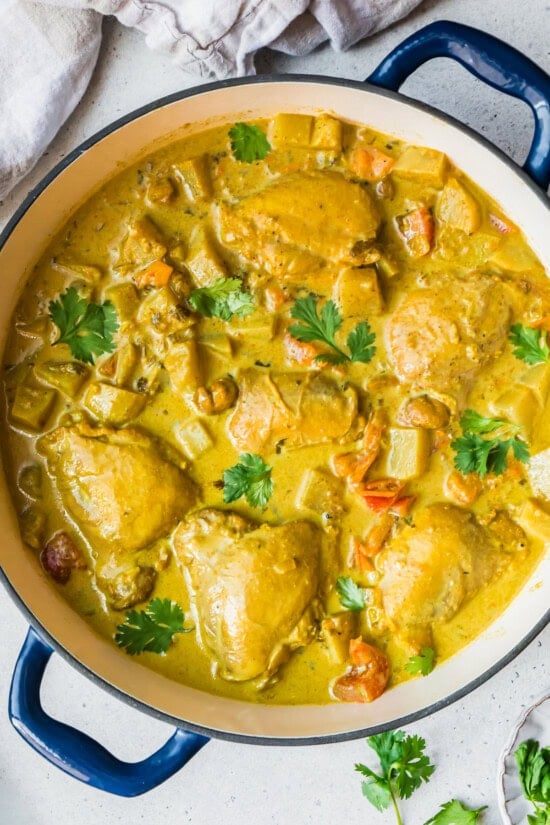
The Finishing Phase: The introduction of coconut milk and tomatoes marks the final stage. The acidity from the tomatoes balances the richness of the coconut milk, preventing the dish from becoming cloying. Simmering until the potatoes are fork-tender ensures that the starch from the tubers thickens the curry naturally, resulting in a cohesive, restaurant-quality consistency.
Nutritional Profile and Health Implications
From a dietary perspective, the move toward coconut milk-based curries reflects an effort to maintain high protein intake while managing saturated fat levels. Standardized nutritional data indicates that a typical serving of this dish—consisting of one chicken thigh, potatoes, and a balanced portion of the sauce—contains approximately 213 kilocalories.

The macronutrient distribution is notably efficient for a main course: 24 grams of protein, 12 grams of carbohydrates, and 7 grams of total fat. The low saturated fat content, often kept under 2 grams per serving, distinguishes this from heavy, cream-based alternatives. Furthermore, the inclusion of potatoes adds essential fiber and potassium, while the spices, particularly turmeric, have been the subject of extensive study regarding their anti-inflammatory properties. When served over basmati rice, the dish provides a complete amino acid profile, making it a staple for households prioritizing balanced, whole-food nutrition.
Economic and Social Impact of One-Pan Cooking
The surge in popularity of one-pan dinner recipes, such as this chicken curry, is not merely a culinary trend but a reflection of shifting socioeconomic patterns. With the average time spent on meal preparation decreasing in urban households, the demand for high-flavor, low-complexity recipes has reached an all-time high.
Data from food retail sectors suggest that the sales of pre-mixed curry powders and canned coconut milk have seen consistent growth over the last decade. This suggests that consumers are increasingly seeking to replicate "takeout" flavors at home, driven by both cost-saving measures and an increased interest in ingredient transparency. By consolidating the cooking process into a single vessel, the dish minimizes kitchen cleanup and maximizes the efficiency of energy usage, aligning with broader sustainability trends in home management.
Analysis of Culinary Versatility
The versatility of this recipe remains its most significant advantage in a commercial and domestic context. Because the base—composed of onions, aromatics, and spices—is highly adaptable, the dish serves as a "blank canvas" for various regional interpretations.
For instance, the addition of fresh chilies can adjust the heat profile to meet specific preferences without altering the structural integrity of the sauce. Similarly, the substitution of sweet potatoes for standard white potatoes can increase the vitamin A content and alter the flavor profile toward a sweeter, more earthy finish. Chefs and nutritionists note that such flexibility is essential for long-term diet adherence, as it prevents the "flavor fatigue" often associated with repetitive home-cooked meals.
Broader Implications for Global Gastronomy
The global adoption of chicken curry with coconut milk illustrates a broader phenomenon: the democratization of international flavors. As cultural boundaries in the culinary world continue to blur, the "curry" category has evolved from a specific, regional identification to a broader, globally recognized term for a specific style of savory, spice-forward, gravy-based dish.
Industry analysts observe that this trend has influenced the manufacturing sector as well, with spice companies now offering specialized blends specifically marketed for these "home-style" curries. This indicates that the demand is not just for the dish itself, but for the capability to produce it consistently. The longevity of this recipe in the culinary canon is secured by its ability to provide comfort, nutrition, and ease of preparation, ensuring its relevance for generations of home cooks to come.
Final Considerations for Optimal Preparation
For those looking to refine the execution of this dish, experts emphasize the importance of temperature control during the spice-blooming phase. Excessive heat can scorch the spices, leading to a bitter profile, while insufficient heat prevents the full release of essential oils. Furthermore, the timing of the potato addition is critical; adding them too early can lead to a disintegrated texture, while adding them too late may result in an undercooked center.
By adhering to a systematic approach—sautéing, simmering, and resting—the cook ensures that the flavors integrate fully, creating a final product that satisfies both the need for convenience and the desire for complex, high-quality culinary output. This balance between technical precision and domestic simplicity is the hallmark of a successful modern recipe, cementing the chicken curry with coconut milk as a cornerstone of the contemporary global kitchen.
