

Sherry, a fortified wine with a rich history originating from the Cadiz region of southwestern Spain, is far more than just a beverage to be savored on its own. Its complex flavor profile, shaped by the unique Andalusian climate, the intricate solera aging system, and often biological aging under a veil of flor, imbues it with savory nuttiness, a subtle salinity, a refreshing chamomile-like quality, and a deep, rounded umami character. These distinct attributes make sherry a powerful culinary tool, capable of elevating dishes with layers of complexity in a remarkably efficient manner. While its drinking qualities are well-celebrated, its potential in the kitchen is often underestimated.

Omar Allibhoy, a chef renowned as "The Spanish Chef," emphasizes that cooking sherry, often found in the pantry aisle, is typically a lower-quality product that has been salted and stabilized. This preparation results in a harsher, less balanced flavor compared to drinking sherry, which boasts a more profound depth and complexity—precisely the qualities desired when incorporating it into recipes. Allibhoy advises bypassing these specially labeled "cooking" sherries in favor of a drinking sherry that one would happily enjoy by the glass. Even an affordable Fino or Amontillado will impart a cleaner flavor and a more appealing aroma than their commercially designated "cooking" counterparts. Understanding the nuances of different sherry styles and their appropriate culinary applications is paramount to unlocking their full potential.
The Art of Selecting and Using Sherry in the Kitchen
The journey of incorporating sherry into your culinary repertoire begins with informed selection. The diversity within the sherry family is vast, encompassing a spectrum of flavor profiles that can dramatically influence the outcome of a dish.

Avoiding the Pitfalls of "Cooking Sherry": A common misconception involves opting for bottles explicitly labeled "cooking sherry." These products, often found in the less refrigerated sections of supermarkets, are generally of inferior quality. They are frequently stabilized with salt and preservatives to extend their shelf life outside of a cellar environment. This process can lead to a harsh, unbalanced flavor that detracts from, rather than enhances, a dish. In contrast, drinking sherries, even budget-friendly options like Fino or Amontillado, offer a cleaner, more nuanced taste profile. Allibhoy’s advice is clear: choose a sherry you would happily drink, as its quality directly translates to its performance in cooking.
Matching Sherry Styles to Culinary Creations: The intricate flavors of sherry necessitate a thoughtful pairing with the intended dish. Misapplication of a sherry style can lead to an undesirable flavor imbalance.
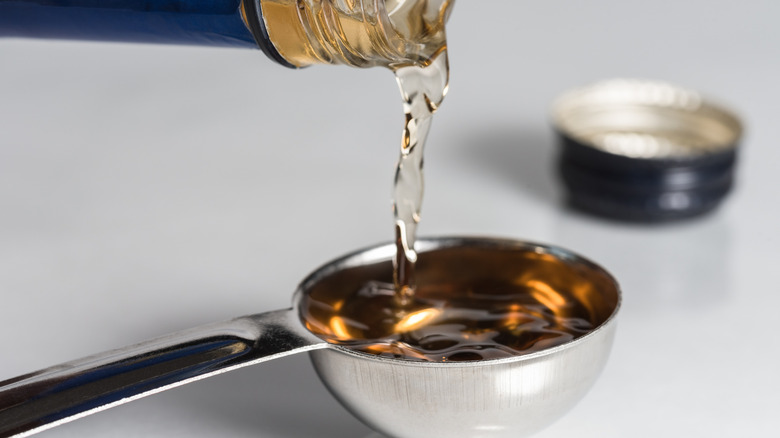
- Manzanilla and Fino: These are the lightest and driest styles of sherry, characterized by their crisp acidity and subtle saline notes. They are ideal for lighter fare, such as delicate seafood dishes, light salads, or as a deglazing agent for pan-seared white fish. Their refreshing quality can cut through richness and brighten flavors without overpowering them.
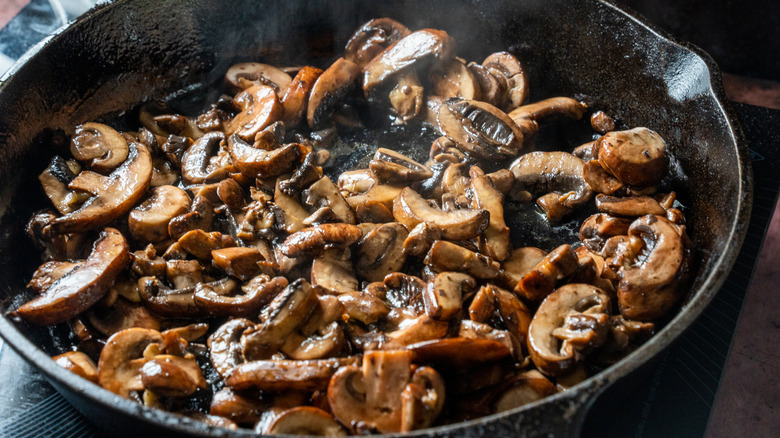
- Amontillado: This medium-bodied sherry offers a nuttier complexity than Fino or Manzanilla. It bridges the gap between dry and richer styles, making it versatile for a range of applications. It shines in dishes like sautéed mushrooms, creamy pasta sauces, or as a marinade for poultry.
- Oloroso: A dry, full-bodied, and rich sherry, Oloroso possesses a more robust flavor profile. It is well-suited for hearty stews, braised meats, and rich sauces where its depth can stand up to strong flavors.
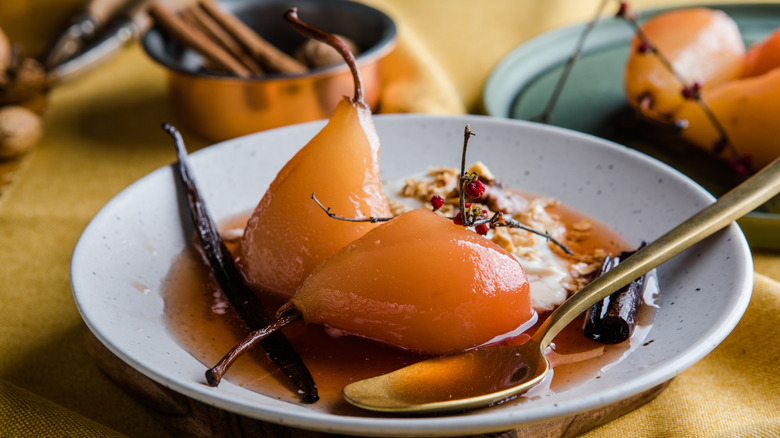
- Pedro Ximénez (PX): This is the quintessential dessert sherry. Its dark, syrupy sweetness, coupled with notes of raisins, figs, coffee, and caramel, makes it a natural pairing for sweet applications. It can be used to poach fruits like pears or quinces, transformed into a syrup for ice cream or panna cotta, or even reduced into a glaze for roasted stone fruits.
Allibhoy cautions against using the intensely sweet Pedro Ximénez in savory dishes, as it can drastically alter the intended flavor profile. For those unfamiliar with the vast world of sherry, a ranked list of sherries can provide a helpful starting point for exploration.
Simplicity as a Virtue: The inherent complexity of sherry means that it can perform culinary magic even in the simplest of preparations. Overthinking a recipe when using sherry can be counterproductive. For instance, a basic mushroom dish, elevated with a splash of Amontillado, can transform into a restaurant-quality creation. The process involves browning the mushrooms, adding the sherry, allowing it to reduce slightly, and then finishing with herbs and a touch of butter or olive oil. The sherry’s depth of flavor adds an elegant dimension that transcends the earthiness of the mushrooms alone. This principle extends to many recipes; sherry’s nuanced character often means the dish requires fewer additional flavorings.

Navigating Delicate Flavors: While sherry is a potent flavor enhancer, its intensity requires careful consideration when working with delicate ingredients. In recipes where clean, subtle flavors are paramount—such as steamed vegetables or light broths—sherry might prove too assertive. Similarly, dishes that already possess a high degree of acidity, such as those heavily reliant on citrus or vinegar, may clash with certain sherry styles. However, Allibhoy notes that a suitable sherry style can often be found to complement even acidic dishes. The key lies in selecting the least acidic sherry varieties and using them sparingly.
Culinary Techniques Enhanced by Sherry
Beyond simple addition, sherry can be leveraged through specific cooking techniques to unlock even greater flavor potential.
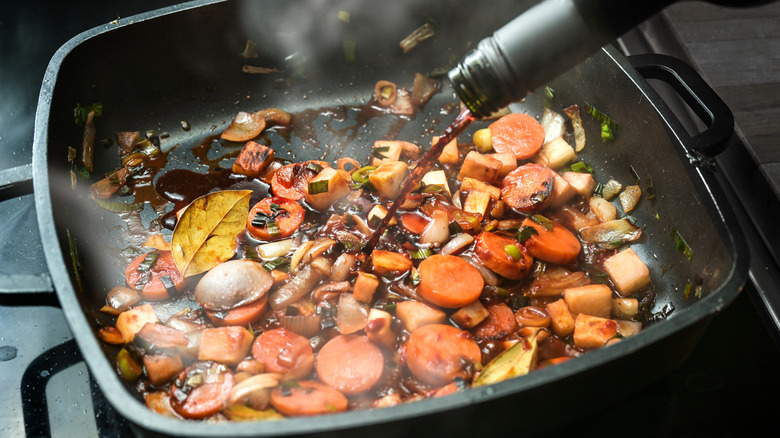
Deglazing with Sherry: Deglazing is a fundamental technique that involves using liquid to lift the flavorful browned bits (fond) from the bottom of a pan after searing or sautéing. While stock, wine, or even water can be used, sherry offers a unique advantage. Its fortified nature and complex aging process allow it to cut through fat, amplify umami, and integrate these caramelized essences into a sauce without imparting an overly fruity or sweet character, which can sometimes be a concern with standard table wines. Fino and Manzanilla add a bright, salty lift, sharpening flavors, while Oloroso and Amontillado contribute a richer, nutty, and caramelized dimension. This technique not only enhances flavor but also simplifies pan cleanup.
The Importance of Reduction: A crucial step in maximizing the impact of sherry in cooking is allowing it to reduce. Simply adding sherry at the very end of the cooking process may not fully integrate its flavors or eliminate the raw alcohol taste. Simmering the dish after the addition of sherry concentrates its aromas and allows its complex notes to meld with the other ingredients. The duration of reduction will vary depending on the dish. Generally, sherry is added after the initial browning or sautéing of main ingredients, allowing for deglazing. The subsequent simmer cooks off the raw alcohol and develops the flavor profile. For delicate dishes and lighter sherry styles like Fino, adding the sherry later in the cooking process can help preserve its fresh, saline characteristics.
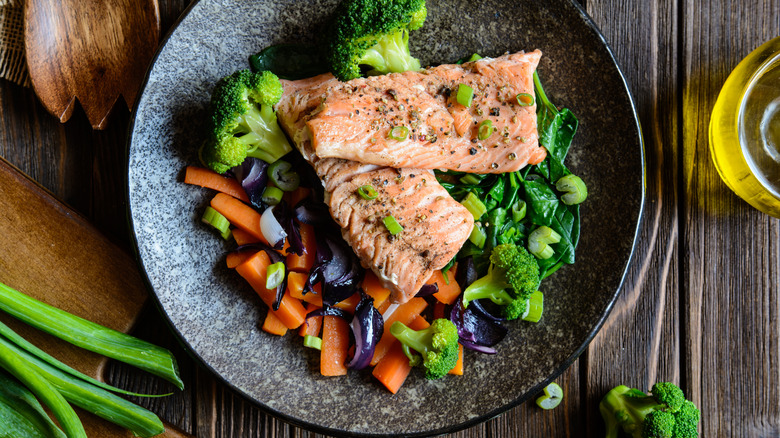
Sweet Endings with Pedro Ximénez: While sherry is predominantly associated with savory applications, Pedro Ximénez offers a distinct avenue for dessert creation. Its natural sweetness and rich flavor profile, reminiscent of raisins, figs, coffee, and caramel, make it an exceptional ingredient for sweet dishes. Allibhoy suggests incorporating PX into poached fruits, reducing it to a syrup for drizzling over desserts like ice cream or panna cotta, or using it as a glaze for roasted stone fruits. Even in desserts, a small amount of PX can impart significant depth and complexity without overwhelming the dish with excessive sugar.
Storage and Enjoyment: A Holistic Approach to Sherry
The longevity and optimal flavor of sherry depend on proper storage and mindful consumption.
Shelf Life and Storage Conditions: Unlike many wines, opened sherry is relatively stable, but proper storage is still crucial, especially for drinking sherry. Lighter styles, such as Fino and Manzanilla, are more delicate and benefit from refrigeration. They should ideally be consumed within one to two weeks to preserve their fresh, bright character. Darker styles, including Amontillado, Oloroso, and Pedro Ximénez, are more forgiving due to their oxidative aging process. They can typically be enjoyed for up to two months after opening.
For optimal preservation, sherry bottles should be stored upright. This minimizes the surface area exposed to air, reducing oxidation. Tightly sealing the bottle and keeping it in a dark place with stable temperatures is recommended. Understanding these storage nuances ensures that the sherry retains its intended flavor profile for both cooking and drinking.
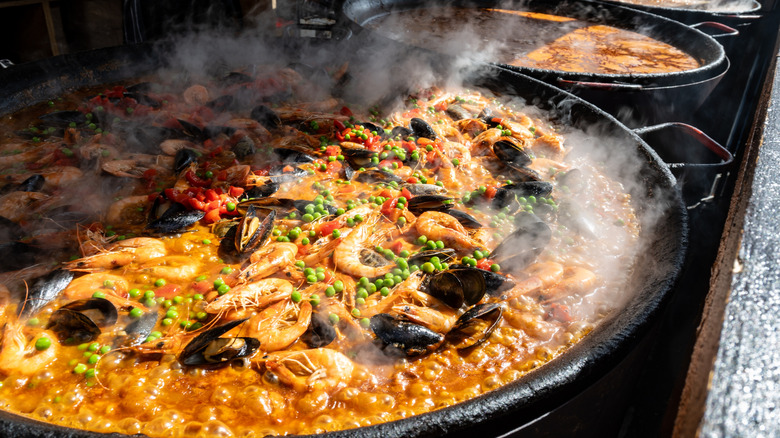
The Dual Role of Sherry: A significant advantage of using drinking sherry in cooking is the ability to enjoy it concurrently with the meal. Allibhoy champions the practice of serving sherry as a beverage alongside dishes it has enhanced. This allows for a multi-faceted appreciation of the wine’s contribution. For instance, while cooking with an Amontillado, one might choose to drink a different, preferred sherry style.
A particularly esteemed pairing in Spanish culinary tradition involves a chilled glass of Fino or Manzanilla served with thinly sliced Jamón Ibérico. The sherry’s dry, salty freshness cleanses the palate, while the ham’s rich, nutty fat enhances the wine’s aromatic qualities. This pairing can even be translated into a simple yet luxurious dish: sautéing ham with spring onions and garlic, deglazing with Fino, and then steaming clams in the resulting liquid. Served with crusty sourdough and a glass of Fino on the side, this meal, achievable in under 10 minutes, perfectly exemplifies the elegant simplicity and profound flavor that sherry can bring to the table.
In conclusion, sherry is a versatile ingredient that can elevate both savory and sweet dishes with its unique complexity. By understanding its diverse styles, employing appropriate culinary techniques, and adhering to proper storage and serving practices, home cooks can unlock the full potential of this historic Spanish wine, transforming everyday meals into sophisticated gastronomic experiences.