

Milk, a staple in households worldwide, is more than just a beverage; it’s a nutrient-rich foundation that offers a significant source of protein, calcium, potassium, phosphorus, magnesium, and vitamin A, according to the National Institutes of Health. While its classic applications—from breakfast cereal to a comforting warm drink—are well-loved, the versatility of milk extends far beyond these traditional uses. For those seeking to elevate their daily milk consumption beyond the simple addition of chocolate syrup, a world of creative flavor enhancements awaits, transforming a humble glass into a sophisticated and personalized experience.
The evolution of milk consumption has seen a growing interest in functional beverages and personalized nutrition. Consumers are increasingly looking for ways to add value and enjoyment to everyday staples, driving innovation in how we consume even the most basic ingredients. This trend reflects a broader shift towards mindful eating and a desire for culinary exploration, even within the confines of our own kitchens. The following nine methods offer a glimpse into the diverse and exciting possibilities for reimagining a simple glass of milk, catering to a range of palates and preferences.
The Art of Infusion: Unlocking New Flavors
Adding Intrigue with Extracts

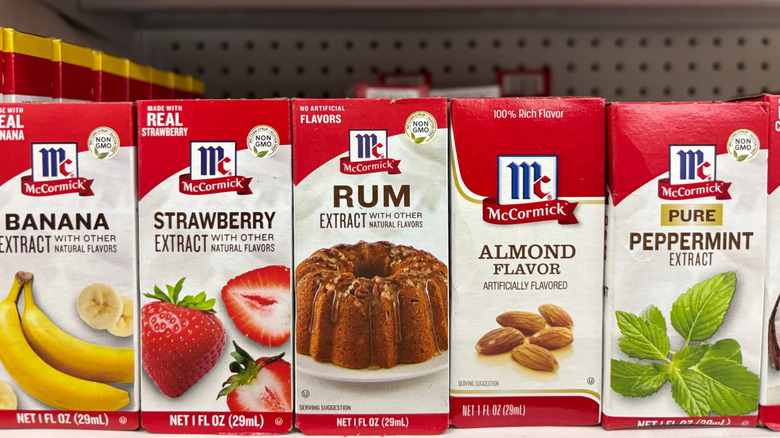
The pantry staple of extracts offers a remarkably simple yet profoundly effective method for transforming plain milk into a flavored delight. These concentrated essences, derived from fruits, nuts, and botanicals, provide potent aromatic and flavor profiles that dissolve seamlessly into the liquid. Vanilla extract, a universal enhancer, provides a warm, sweet base. However, the possibilities extend far beyond this classic. Hazelnut extract imparts a rich, nutty warmth, reminiscent of a gourmet coffee shop beverage. For a refreshing twist, peppermint extract can evoke the sensation of a mint-chocolate indulgence without the need for cocoa. Banana extract offers a direct route to a banana-flavored milk, minus the texture of fresh fruit, which pairs exceptionally well with a hint of vanilla and a touch of sweetener for a balanced profile.
The application of extracts is particularly impactful when the milk is heated. Steaming milk before adding extracts creates a delightful "steamer," a warm and comforting beverage that allows the volatile aromatic compounds to meld beautifully with the dairy. This technique is also conducive to creating layered flavors. For instance, a combination of vanilla and hazelnut extracts can add a complex depth, while vanilla and banana can create a more nuanced fruitiness. The availability of a vast array of extracts, from almond and coconut to more exotic options like lavender or rose, allows for endless experimentation, encouraging consumers to discover unique flavor pairings. The key to using extracts effectively lies in moderation; a little goes a long way, and over-application can lead to an artificial or overpowering taste.
A Nutty Embrace: The Richness of Nut Butters
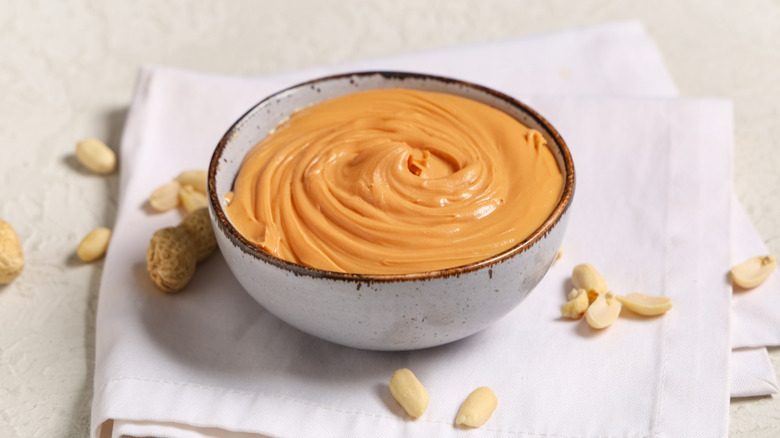
For those seeking a more substantial and creamy flavor profile, incorporating nut butters into milk offers a decadent and nutritious upgrade. This method moves beyond simple flavoring to create a richer, more emulsified beverage. Pre-made nut butters, such as peanut, almond, or cashew varieties, provide a convenient starting point. However, the truly adventurous can embark on the DIY journey of creating their own nut butter blends. Roasting a medley of nuts like walnuts, hazelnuts, and pecans, then processing them in a food processor until they release their oils and achieve a smooth, spreadable consistency, allows for unparalleled customization.

The challenge with incorporating nut butters into liquids is their inherent viscosity. To achieve a smooth, homogenous texture, a blender is essential. A common ratio for DIY nut milks involves approximately one-quarter cup of nut butter to two cups of liquid. However, this ratio can be adjusted to achieve the desired intensity of nut flavor and creaminess. While many homemade nut milk recipes utilize water as the base, employing dairy milk introduces a richer mouthfeel and a more indulgent experience, bridging the gap between a simple nut milk and a luxurious shake. To further refine the flavor, a pinch of salt can enhance the nuttiness, and a drop of vanilla extract can add aromatic complexity. This technique not only offers a novel way to enjoy milk but also provides a significant boost of healthy fats and protein, aligning with contemporary dietary trends.
The Fruity Burst of Jam
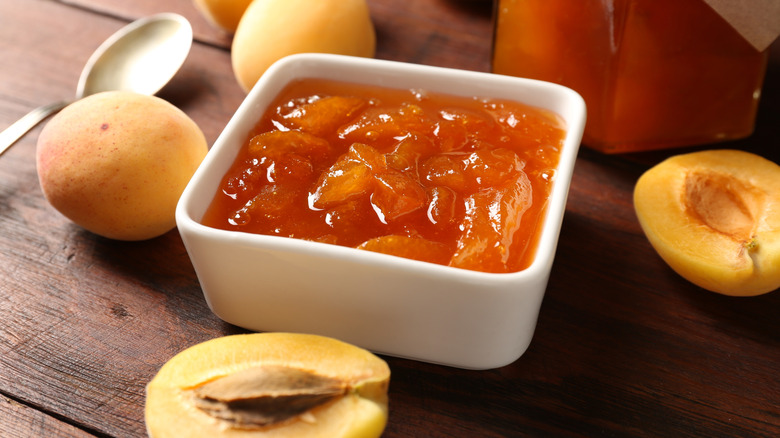
A surprisingly effective and delightful way to transform milk is by incorporating jam, jelly, or fruit preserves. This method offers a more natural and textured approach to fruit-flavored milk, moving away from artificial flavorings. The simplest application involves utilizing the residual jam in the jar. By pouring milk directly into the nearly empty jam jar, sealing it tightly, and shaking vigorously, one can create an instant fruit-infused milk. This method is particularly effective for jams with a smooth consistency.
For a more controlled approach, a tablespoon or two of jam can be added directly to a glass of milk and stirred. The variety of available fruit spreads, from classic strawberry and apricot to more exotic guava and cherry, allows for a wide spectrum of flavor choices. Jellies and preserves, with their varying textures, can also be used, offering slightly different sensory experiences. For jams containing discernible fruit chunks or seeds, blending the milk and jam together can help achieve a smoother consistency, minimizing lumps.
It is crucial to consider the temperature of the milk when using fruit spreads. Many commercial jams contain citric acid or lemon juice as preservatives, which can cause milk to curdle when heated. Therefore, this method is best enjoyed with cold milk for a refreshing and smooth beverage. The addition of fruit-based condiments not only sweetens the milk but also imparts a vibrant flavor profile, revitalizing the drink and offering a playful nod to childhood favorites like strawberry milk, but with a more sophisticated and customizable twist.
A Subtle Kick: The Allure of Coffee
Reimagining the classic coffee-milk beverage, this approach flips the traditional ratio, infusing milk with a subtle coffee essence rather than diluting coffee with milk. This method offers a nuanced coffee flavor that is distinct from a typical latte or cappuccino, focusing on a mild aroma and taste. The classic Rhode Island "coffee milk" is typically made with coffee syrup, which is heavily sweetened. By using plain brewed coffee, consumers gain control over the sweetness and intensity of the coffee flavor.
The key to this preparation is careful calibration. Pouring the milk first and then gradually adding black coffee allows for precise control over the final flavor profile. The strength of the coffee brew and the fat content of the milk (whole milk, for instance, will yield a richer flavor than skim) will influence the outcome. The goal is to achieve a mild coffee essence, akin to adding coffee extract, rather than a robust coffee beverage. Espresso, or even a small amount of espresso powder, can also be used, but their concentrated nature requires even greater caution to avoid overwhelming the milk.
This coffee-infused milk can be enjoyed either hot or iced, offering versatility throughout the year. For a frozen treat, the mixture can be blended with ice to create a refreshing coffee-flavored milk slush. This method provides a sophisticated alternative for those who enjoy the aroma and subtle taste of coffee but prefer it integrated into a creamy, milky base, offering a novel sensory experience that departs from conventional coffee drinks.
Sweetening the Deal: Syrups, Honey, and Molasses
The vast array of sweeteners available presents a straightforward yet highly effective avenue for enhancing milk. Drawing inspiration from the flavored syrups used in coffee shops, consumers can readily customize their milk with a variety of sweet and aromatic additions. Flavored syrups, such as vanilla, hazelnut, or pistachio, can transform milk into a dessert-like beverage. Seasonal flavors like pumpkin spice can evoke specific moods and culinary experiences, regardless of the time of year. For a more floral or exotic note, lavender or rose syrups offer a sophisticated and aromatic dimension.
Beyond flavored syrups, simple sweeteners like honey, agave, and simple syrup provide a pure sweetness that complements the milk’s natural flavor. Molasses, in particular, offers a complex flavor profile with toffee and caramel undertones, making it an excellent addition to warm milk, creating a deeply satisfying drink. This approach is particularly well-suited for preparing "milk steamers," where the sweetener is gently heated with the milk, allowing the flavors to meld seamlessly.
The beauty of using sweeteners lies in their adaptability. They can be combined with other flavor enhancers, such as a touch of coffee or a hint of spice, to create even more intricate taste profiles. Whether served hot or iced, a customized sweetened milk offers a personalized alternative to commercially prepared beverages, providing a homemade touch that is both comforting and delicious.
Spice and Cereal: Unexpected yet Harmonious Pairings
The Aromatic Power of Ground Spices
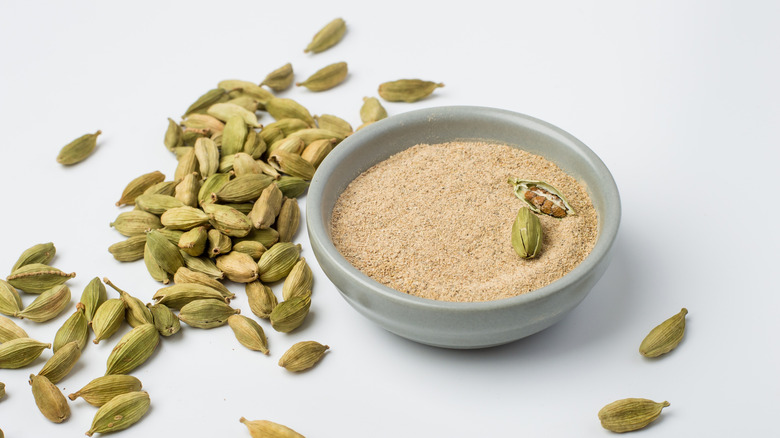
The humble spice rack holds a treasure trove of possibilities for elevating a glass of milk. Ground spices, with their concentrated flavors and aromas, can infuse milk with warmth, complexity, and intriguing notes. Cinnamon, a classic pairing, provides a comforting sweetness. However, venturing into less common spices like clove and cardamom can unlock more sophisticated flavor profiles. The combination of cinnamon, clove, and cardamom creates a particularly harmonious blend, reminiscent of mulled beverages.
Using pre-ground spices ensures easier incorporation into milk compared to freshly ground or whole spices, which can sometimes result in a woody or fibrous texture. For those who prefer the nuanced flavor of freshly ground spices, straining the milk after steeping can remove any undesirable fibrous particles.

The application of spices can be standalone or part of a more elaborate creation. A streamlined version of a "cardamom rose milk" can be achieved by combining ground cardamom, a touch of rosewater, and a sweetener. The popular Indian beverage, "haldi doodh" or golden milk, exemplifies the power of spice infusions. Recipes for golden milk typically include turmeric, black pepper, ginger, cinnamon, and sometimes vanilla and a sweetener, creating a health-conscious and flavorful drink. Whether served warm or cold, spiced milk offers a comforting and aromatic experience, with the understanding that some spices may settle at the bottom, requiring occasional stirring.
The Nostalgic Comfort of Breakfast Cereal
For many, the lingering, flavored milk at the bottom of a cereal bowl represents a cherished childhood memory. This nostalgic experience can be recreated and elevated by intentionally infusing milk with breakfast cereal. The most direct method involves allowing the cereal to steep in the milk, softening and releasing its flavors and sugars. This technique effectively transforms plain milk into a flavored beverage that captures the essence of the cereal.
Chocolate cereals are an excellent starting point, providing a familiar chocolate milk flavor with a nostalgic undertone. For cereals that are less inherently sweet, such as Rice Krispies or corn flakes, incorporating a sweetener of choice is recommended to achieve a balanced flavor profile. The resulting "cereal milk" can be enjoyed on its own or used as a base for more complex culinary applications.

This infused milk can be strained to remove the cereal remnants before consumption. Beyond sipping it directly, cereal milk can serve as a unique ingredient in cocktails, particularly those that benefit from a sweet, creamy, and subtly flavored base. This method is especially effective with fruit-flavored cereals like Froot Loops or Fruity Pebbles, creating a vibrant and flavorful milk. The infusion process allows the milk to absorb the dominant flavor notes of the cereal, offering a personalized and indulgent twist on a familiar breakfast experience.
Frosted Animal Crackers: A Whimsical Infusion
Taking the concept of cereal infusion a step further, frosted animal crackers offer a uniquely sweet and whimsical way to flavor milk. The frosting and graham cracker-like base of these cookies impart a distinct, sweet, and slightly vanilla-like flavor to the milk. Similar to the cereal method, the key is to allow the crackers to soften and infuse their essence into the liquid.
For optimal results, especially with the crunchy frosting, it is recommended to combine the frosted animal crackers with milk and allow them to steep, potentially overnight in the refrigerator. This extended soaking period ensures that the flavors fully meld and the crackers break down sufficiently. After infusion, straining the milk is advisable to remove any nonpareil sprinkles or residual cracker fragments, ensuring a smooth drinking experience.
The resulting milk often develops a subtle pinkish hue, adding a visually appealing element to the beverage. Beyond its delightful flavor and appearance, this frosted animal cracker milk can be incorporated into other culinary creations. It can be enjoyed on its own, added to coffee for a unique sweetness, or used as the liquid base for pancakes, adding an unexpected layer of flavor and nostalgia to everyday recipes. While this method requires a bit more effort, the unique taste and visual appeal make it a worthwhile endeavor for those seeking a truly novel milk experience.
Steeping Black Tea in Hot Milk: A Sophisticated Milky Tea
For a profoundly indulgent and comforting beverage, steeping black tea directly in hot milk offers a unique twist on traditional tea drinking. This method produces a rich, creamy, and tea-infused milk that is distinct from iced milk tea beverages. Black tea is particularly well-suited for this preparation due to its robust flavor profile, which can stand up to the richness of milk.
The process involves heating milk to a very hot temperature, either on the stovetop or in the microwave, and then adding a tea bag or loose tea leaves. The tea is allowed to steep until the milk takes on a noticeable tea color and aroma. The steeping time will vary depending on the type of tea, its strength, and whether loose leaves or bags are used. Unlike steeping in water, the higher fat content of milk may require a longer steeping period to achieve the desired flavor intensity.

The objective is not to create a tea concentrate but to subtly infuse the milk with the tea’s essence, resulting in a captivating and flavorful drink. Earl Grey tea, with its distinctive bergamot notes, is an excellent choice, but any robust black tea can yield a satisfying result. This method offers a sophisticated alternative for tea lovers seeking a creamier, more integrated tea experience, transforming a simple cup of hot milk into a complex and comforting beverage.