
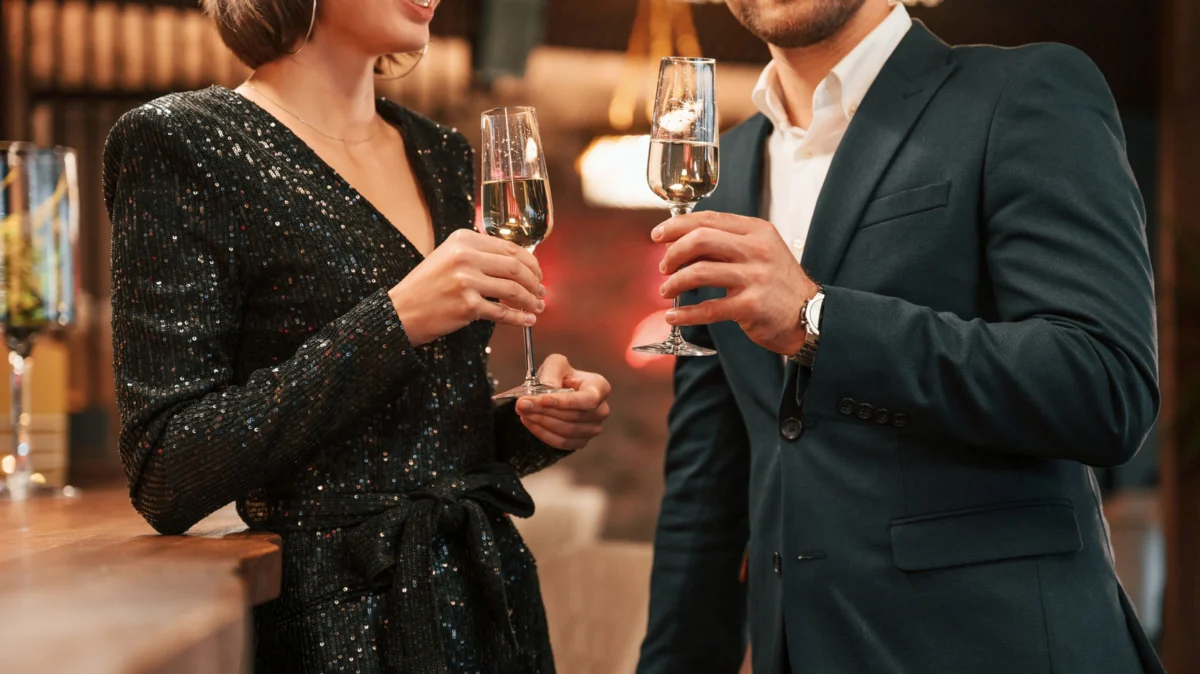
As diners prepare to enjoy a meal out, the primary considerations often revolve around securing a reservation and ensuring payment methods are at hand. However, a less frequently contemplated, yet crucial, aspect is one’s attire. Contrary to popular belief, many popular U.S. chain restaurants maintain specific dress codes that, if not adhered to, can result in patrons being denied service, even after booking weeks in advance. These policies, often embedded within a restaurant’s terms and conditions, aim to cultivate a particular ambiance and uphold brand identity. While generally accepted, these dress codes have also sparked public discussion and, at times, controversy, as exemplified by the recent spotlight on Ruth’s Chris Steak House’s policy. Whether the requirement is smart casual, business attire, or simply a ban on certain garments like hats or leggings, it is prudent for diners to familiarize themselves with these guidelines before visiting a new establishment to avoid an unwelcome surprise at the door.
The Nuances of Restaurant Dress Codes
The concept of a dress code in dining establishments is not new, harkening back to a time when dining out was an occasion that demanded a certain level of formality. In contemporary times, the enforcement of these codes in chain restaurants often reflects a brand’s positioning in the market, particularly for those aiming for an upscale or fine-dining experience. These policies serve not only to maintain a desired aesthetic but also to manage customer expectations and ensure a consistent brand experience across multiple locations.
Ruth’s Chris Steak House: A Recent Flashpoint for Dress Code Enforcement
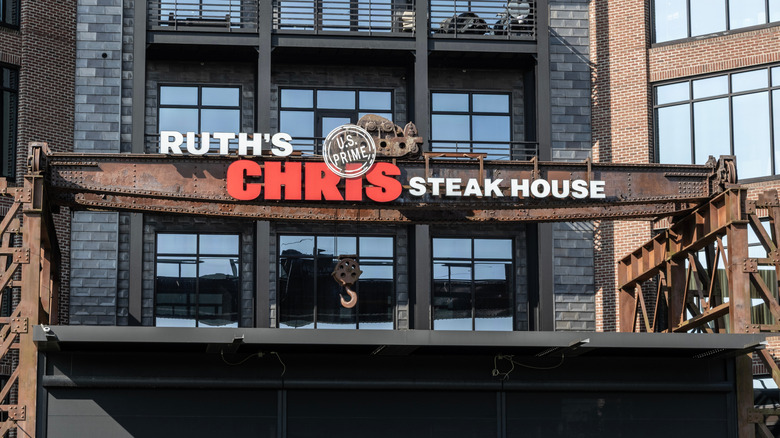
Ruth’s Chris Steak House, a prominent U.S. steakhouse chain, recently found itself at the center of a public conversation regarding its dress code. The company’s website explicitly outlines its commitment to providing a "unique and unparalleled dining experience," which extends to the attire of its guests. The stated policy requires patrons to adhere to a business casual standard.
Specific prohibitions include hats, with baseball caps permitted only in the bar and lounge areas. In the main dining rooms, guests are expected to refrain from wearing gym attire, swimwear, or tank tops. Furthermore, clothing featuring offensive graphics or language is not permitted. The policy also addresses more sensitive issues, stating that revealing clothing is not allowed and that undergarments must remain concealed.
The increased attention on Ruth’s Chris’s dress code policy has been speculated to be linked to its acquisition by Darden Restaurants, a move that occurred in late 2023. This acquisition, valued at approximately $715 million, places Ruth’s Chris under the umbrella of a company that also owns Olive Garden and LongHorn Steakhouse, among other brands. The integration into a larger corporate structure may prompt a review and reinforcement of existing brand standards, including dress codes, to ensure consistency and alignment with the parent company’s overall strategy. With over 150 locations across the U.S., adherence to these guidelines is crucial for patrons seeking to enjoy the Ruth’s Chris experience.
Eddie V’s: Upholding an Elegant Atmosphere
Eddie V’s, a high-end chain with over 30 locations nationwide, cultivates an atmosphere of sophistication, complemented by live jazz and expertly crafted cocktails. The restaurant positions itself as a premier destination for steaks and seafood, emphasizing world-class service and a captivating ambiance. To maintain this refined environment, Eddie V’s enforces a business casual dress code, asking guests to "dress appropriately."
Prohibited items include uncovered sports bras, bralettes, and any excessively revealing attire. The policy also explicitly states that visible undergarments are not permitted. Similar to other establishments, clothing adorned with offensive language or graphics will result in patrons being turned away.
Beyond visual presentation, Eddie V’s also addresses olfactory considerations, specifically prohibiting "clothing emitting offensive odors." This detail underscores the chain’s commitment to a comprehensive sensory experience for its guests, extending beyond visual cues to encompass overall presentation and comfort. For those planning a visit after physical activity, a pre-entry "smell check" is advisable.
The Capital Grille: Resort-Appropriate or Business Casual Attire
The Capital Grille, with over 70 locations across the United States, is renowned for its opulent interiors, featuring Art Deco design elements and rich African mahogany paneling. Recognized as one of the premier steakhouse chains, it offers a warm and stately ambiance, reflecting its fine-dining status. The establishment’s positioning as a premium experience necessitates a corresponding dress code.
The Capital Grille’s website indicates a preference for attire considered appropriate for business casual or a "night out at a resort." This translates to a prohibition of athletic gear. For gentlemen, shirts with sleeves are required at all times. Revealing attire, including uncovered sports bras, is also disallowed. As with many upscale establishments, clothing featuring offensive language is strictly forbidden. The policy also extends to prohibiting clothing that emits offensive odors, aligning with the general expectation of cleanliness and presentability in fine-dining settings.
Ocean Prime: Beyond Revealing Clothing and Offensive Scents
Ocean Prime, a nationally acclaimed upscale chain with numerous multi-million dollar steakhouse locations across the U.S., offers a chef-curated menu of seafood and steaks, paired with an extensive wine list. The chain aims to provide an elegant dining experience, and its dress code reflects this aspiration.
Key restrictions include prohibiting revealing clothing and exposed undergarments. Attire with offensive language or imagery is also banned, suggesting a desire to maintain a respectful and universally appealing environment. A notable and somewhat unique stipulation is the prohibition of customers whose clothing carries an "excessive marijuana scent." This specific mention may reflect evolving societal norms and the restaurant’s approach to managing the diverse sensory experiences of its clientele.
Further restrictions for the dining room include sleeveless shirts for men, swimwear, and baseball caps. The management reserves the final decision on entry, emphasizing that dress code compliance is paramount regardless of reservation status. A business casual approach is generally considered the safest option for diners seeking to ensure a smooth entry and an enjoyable experience.
Morton’s The Steakhouse: A Clear Stance on Casual and Oversized Attire
Morton’s The Steakhouse, a global steakhouse chain with over 50 U.S. locations and additional international presence, offers an upscale fine-dining experience. From its origins, it has evolved into a destination known for exquisite starters and mains. Given its high-end appeal, a well-defined dress code is in place to complement the sophisticated atmosphere.
Morton’s permits business attire or smart casual dress. However, items typically associated with casual outings, such as beachwear or gym attire, are not allowed. This includes baseball caps, hats, and beanies. Bandanas and clothing deemed oversized or baggy are also prohibited. The chain is particularly stringent regarding denim, with ripped or distressed jeans leading to refusal of entry. Excessively revealing clothing is also disallowed, as are jerseys. Management retains the discretion to determine entry based on adherence to the dress code.
Eddie Merlot’s: Maintaining Elegance Through Specific Prohibitions
Eddie Merlot’s, a smaller chain with 12 locations primarily in the Midwest and on the East Coast, presents itself as a top-tier modern American steakhouse with an elegant and sophisticated interior. While its prime-aged beef and award-winning wine list are significant draws, the restaurant also enforces standards to preserve its refined ambiance.
The dress code at Eddie Merlot’s prohibits tank tops, sportswear, hats, and flip-flops. Similar to other establishments, clothing that emits an "offensive odor" will result in denial of entry. Offensive language on clothing is also not tolerated, and revealing clothing is considered a violation.
For those uncertain about the guidelines, the recommendation is to opt for business or business casual attire. While full suits are not necessarily required, a combination of well-fitting jeans and a button-up shirt is generally acceptable, striking a balance between formality and comfort.
Del Frisco’s Double Eagle Steakhouse: A Comprehensive Dress Code Policy
Del Frisco’s Double Eagle Steakhouse, with 15 locations across the country, has a dress code policy described as "rigid" and detailed on its website. The chain, which traces its roots to the early 1980s, aims to embody the spirit of a classic American steakhouse with a modern sensibility. Its luxurious dining areas, some emulating classic Hollywood aesthetics, necessitate a commensurate level of guest presentation.
The prohibited items mirror many found in other upscale steakhouses: beachwear, gym clothing, athletic apparel, hoodies, and sweatpants are all disallowed. Headwear, including ballcaps, hats, and beanies, is also restricted. Baggy or oversized clothing is on the list of prohibitions, as are tank tops and sleeveless shirts for men. Offensive language on apparel is strictly forbidden, as is any clothing that is excessively revealing.
Maintaining the restaurant’s ambiance extends to olfactory considerations. Clothing emitting offensive odors is prohibited, a policy clearly stated to apply regardless of reservation status. The chain emphasizes that adherence to the dress code is a prerequisite for entry, irrespective of booking arrangements.
Perry’s Steakhouse: The Forward-Facing Ball Cap Rule
Perry’s Steakhouse, a chain with over 20 locations, many in Texas, operates under the slogan "Rare and Well Done®." With an award-winning menu, including its signature pork chop, Perry’s aims for a balance between refined dining and a potentially more approachable atmosphere. However, its dress code is notably substantial.
The establishment adheres to a business casual guideline, prohibiting athletic wear and beach attire. Sleeveless tops and exposed sports bras are not permitted. While hoodies are allowed, the hood cannot be worn on the head. Clothing with offensive language or designs is forbidden. A specific and somewhat accommodating rule permits ball caps, but they must be worn forward-facing at all times.
Jeans and dress shorts are acceptable, though it’s implied they should not be worn simultaneously. The restaurant also requests that balloons be confined to private dining rooms and explicitly prohibits marijuana. The management reserves the right to address potential disturbances, suggesting a focus on overall guest conduct as well as attire.
Mastro’s: Upscale Attire and the Prohibition of Sheer Fabrics
Mastro’s, an upscale dining option with over 25 locations across ten states, promises a premium experience. With roots in Arizona, the chain has expanded significantly, offering an unforgettable fine-dining experience with an elegant dinner menu. The cost reflects its high-end status, and the dress code is designed to uphold this expectation.
Mastro’s dress code aims to maintain a sophisticated atmosphere. Sportswear, overly casual attire, and loungewear are prohibited. The policy specifically advises against wearing anything that reveals too much skin or features sheer fabrics. Visible undergarments can lead to patrons being escorted out. Clothing with profanity is also banned.
Noticeable odors are prohibited, and headwear restrictions are in place: while fashionable hats are permitted, bandanas, beanies, and baseball caps are not. For men, a button-down collar shirt, ideally paired with a sport coat, is recommended to align with the upscale environment.
The prevalence of these dress codes across a range of well-known chain restaurants highlights a broader trend in the hospitality industry. As consumers increasingly seek curated experiences, establishments are leveraging attire policies as a tool to manage ambiance, reinforce brand identity, and cater to specific market segments. While some diners may view these rules as overly restrictive, they often serve as a mechanism to ensure that the dining environment remains conducive to the high-quality experience that patrons expect from these establishments. Understanding and respecting these guidelines can help diners navigate the nuances of upscale casual and fine dining, ensuring a more pleasant and seamless experience.