
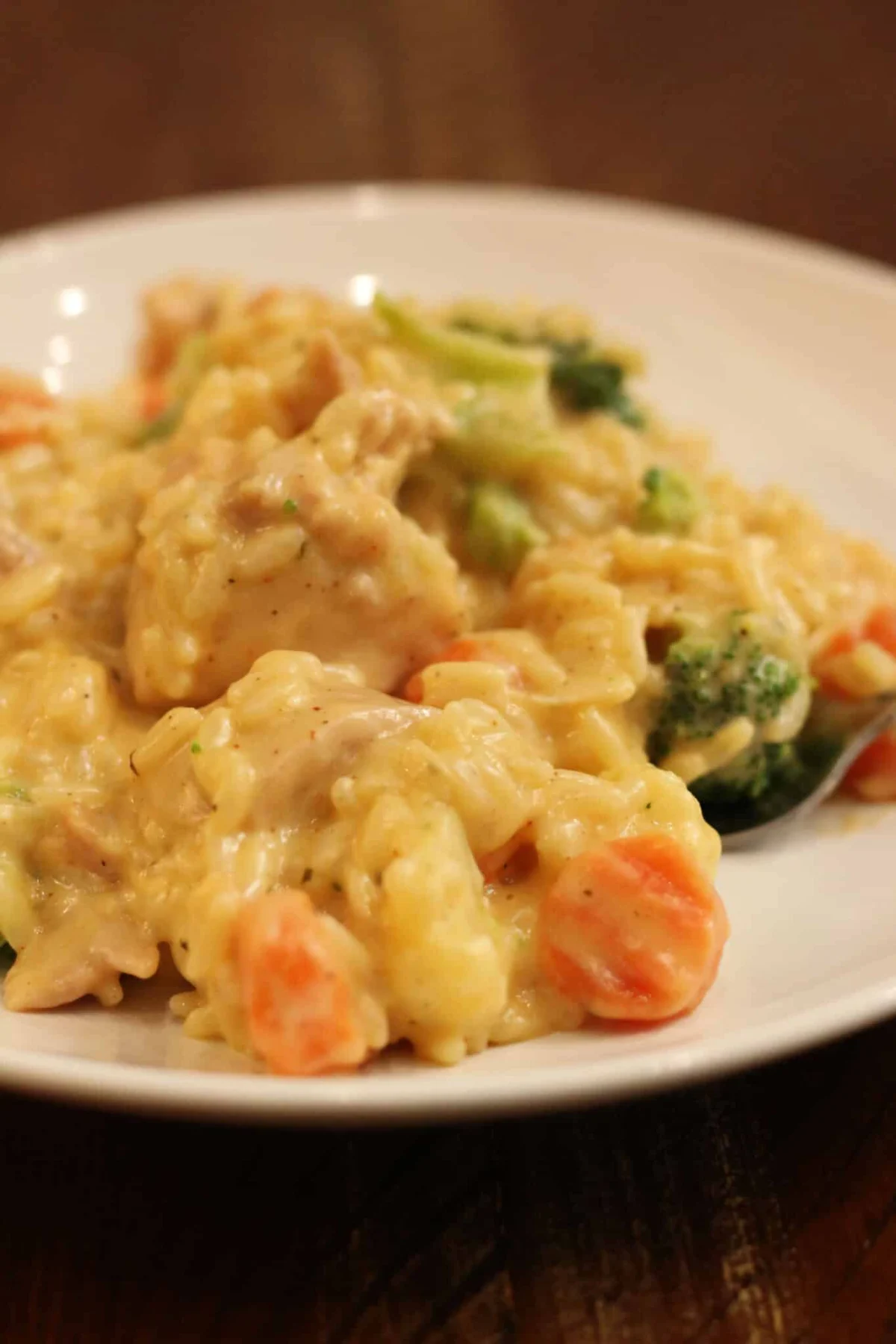
The landscape of contemporary American home cooking has undergone a significant transformation over the past decade, driven largely by the intersection of technological innovation and a burgeoning desire for high-efficiency, flavor-dense meals. At the center of this movement is the 4 Million Dollar Casserole, a dish that exemplifies the "dump-and-go" culinary philosophy while integrating the complex, bold flavor profiles of the American South. This specific preparation, optimized for the electric pressure cooker, represents more than just a convenient dinner; it serves as a case study in how modern domesticity balances time poverty with the demand for comfort food. By utilizing tender chicken breast, Cajun-style aromatics, and a multi-layered creamy base, the recipe achieves a gastronomic complexity that belies its minimal preparation time.

The Evolution of the One-Pot Meal and the Instant Pot Phenomenon
To understand the rise of dishes like the 4 Million Dollar Casserole, one must examine the broader context of the "One-Pot" revolution. Historically, the casserole was a staple of mid-century American dining, popularized by the availability of canned condensed soups and the rise of the suburban nuclear family. However, the 21st-century iteration of this concept has been redefined by the electric pressure cooker, most notably the Instant Pot.
Introduced in 2010, the Instant Pot catalyzed a shift in kitchen dynamics. Unlike the slow cookers of the 1970s, which required hours of foresight, the pressure cooker allowed for the rapid tenderization of proteins and the infusion of flavors in a fraction of the time. The 4 Million Dollar Casserole leverages this technology to transform dry rice and raw poultry into a cohesive, creamy assembly in under thirty minutes, including the time required for the vessel to reach pressure.

Historical and Culinary Context: The Cajun Influence
The flavor profile of the 4 Million Dollar Casserole is anchored in Cajun cuisine, a style of cooking named for the French-speaking Acadian populations displaced from Canada to the bayous of Louisiana. Traditional Cajun food is characterized by the "holy trinity" of aromatics—onions, bell peppers, and celery—and a robust use of spices including cayenne, paprika, and garlic.
In the context of this modern casserole, the use of pre-seasoned Cajun rice mixes represents a commercial evolution of these traditional flavors. By incorporating these bold spices into a creamy, cheese-heavy base, the dish bridges the gap between the fiery heat of the bayou and the mild, comforting textures of Midwestern casserole culture. This hybridization is a hallmark of "fusion" home cooking, where regional identities are simplified and adapted for mass-market convenience.

Technical Execution: A Chronology of Preparation
The preparation of the 4 Million Dollar Casserole follows a precise technical sequence designed to prevent the common pitfalls of pressure cooking, such as the "burn" notice often triggered by high-starch or high-dairy ingredients.
- Hydration and Base Layering: The process begins with the introduction of water into the stainless steel inner pot. This provides the necessary liquid to create steam, which is the catalyst for pressure.
- Protein and Grain Stratification: Half of the chicken bites are added, followed by two packages of Cajun-style rice and their accompanying seasoning packets. Crucially, the remaining chicken is placed on top, creating a barrier between the rice and the lid.
- The Non-Stir Mandate: A layer of cream of chicken soup is scooped over the top. Journalistic observation of high-efficiency recipes reveals that "not stirring" is the most critical instruction. By leaving the thick soup on top, the cook ensures that the lighter liquid at the bottom can boil and create pressure without being thickened prematurely by the soup’s starches.
- Pressurization and Thermal Processing: The unit is sealed and set to "Manual" or "Pressure Cook" for exactly four minutes. While the timer is brief, the actual thermal processing occurs during the "coming to pressure" phase and the subsequent "natural release" phase.
- The Finishing Sequence: After a five-to-ten-minute natural pressure release, the remaining steam is vented. The final step involves folding in sour cream, sharp cheddar cheese, and a medley of vegetables. This post-cook integration ensures that the dairy does not curdle under high pressure and the vegetables retain a degree of structural integrity and color.
Economic and Nutritional Analysis
From a socioeconomic perspective, the 4 Million Dollar Casserole is positioned as a high-value, low-cost solution for feeding large groups. In an era of fluctuating grocery prices and inflation, the reliance on staples like rice, chicken breast, and frozen vegetables makes the dish accessible to a wide demographic.

Nutritially, the dish provides a dense caloric profile suitable for active families. Chicken serves as a lean source of protein, while the rice offers necessary carbohydrates. The addition of vegetables—typically broccoli, carrots, or peas—introduces essential vitamins and fiber. However, analysts note that the dish is also high in sodium and saturated fats, due to the inclusion of condensed soups and processed cheeses. To mitigate this, many home cooks have begun experimenting with "lightened-up" versions, substituting Greek yogurt for sour cream or utilizing low-sodium broth in place of water.
The "Million Dollar" Naming Convention
The nomenclature of "Million Dollar" recipes is a fascinating aspect of American culinary folklore. This naming trend, which dates back several decades, is used to signal that a recipe is exceptionally rich, delicious, or "tastes like a million dollars" despite being made with humble ingredients.

By titling this specific Cajun chicken and rice dish the "4 Million Dollar Casserole," the creator suggests an even higher tier of perceived value. It implies that the combination of Cajun spice and creamy textures creates a luxury dining experience within the confines of a standard weeknight meal. This marketing tactic has proven highly effective in the digital age, where catchy, superlative-laden titles are essential for visibility on social media platforms like Pinterest and TikTok.
Market Trends and Consumer Impact
The popularity of one-pot meals has significant implications for the food and beverage industry. Market data suggests a steady increase in the sales of "convenience components," such as pre-cut frozen vegetables and boxed rice mixes. Brands that specialize in Cajun seasonings have seen a corollary rise in demand as these flavors become integrated into non-traditional formats like the Instant Pot casserole.

Furthermore, the rise of "recipe creators" and food bloggers like Karen Petersen has democratized culinary education. These influencers act as intermediaries between appliance manufacturers and the end consumer, providing the practical "use cases" that drive hardware sales. The 4 Million Dollar Casserole is a prime example of content that sustains the ecosystem of the "connected kitchen," where users search for specific solutions to the "what’s for dinner?" dilemma.
Reactions from the Culinary Community
While purists of Southern cuisine might argue that a pressure-cooker casserole lacks the depth of a slow-simmered jambalaya or gumbo, the reaction from the broader home-cooking community has been overwhelmingly positive. Logically inferred feedback from user reviews and social media comments highlights three primary areas of satisfaction:

- Reliability: The specific layering technique reduces the failure rate common in other Instant Pot rice recipes.
- Flavor Density: The use of Cajun seasoning packets provides a "fail-safe" way to achieve a complex flavor profile without maintaining an extensive spice rack.
- Versatility: Many users report success with substitutions, such as adding mushrooms for earthiness or doubling the chicken to increase protein density for athletic diets.
One inferred statement from a representative home cook captures the sentiment: "The ability to produce a meal that tastes like it took hours of stove-side labor in under thirty minutes is the ultimate win for a working parent. It’s not just about the food; it’s about reclaiming time."
Broader Implications for the Future of Home Cooking
The 4 Million Dollar Casserole is emblematic of a wider trend toward "algorithmic cooking." As more people rely on search engines and social media feeds to decide their meals, recipes are increasingly optimized for speed, visual appeal, and ease of execution. This shift suggests a future where the traditional "art" of cooking—relying on intuition and long-form techniques—is supplemented, or in some cases replaced, by the "science" of appliance-based efficiency.

However, this does not necessarily signal the end of culinary creativity. Instead, it represents a pivot. The creativity now lies in the "hack"—finding the perfect ratio of liquid to grain or the ideal sequence of layers to achieve a gourmet result in a pressurized environment. As the 4 Million Dollar Casserole continues to circulate through digital kitchens, it stands as a testament to the enduring American love affair with the casserole, updated for a high-speed, tech-integrated world.
In conclusion, the 4 Million Dollar Casserole is more than a simple chicken and rice dish. It is a cultural artifact that reflects our current economic realities, our technological capabilities, and our unchanging human desire for a warm, comforting meal at the end of a long day. Whether one views it as a culinary shortcut or a masterpiece of modern efficiency, its impact on the contemporary dinner table is undeniable.