
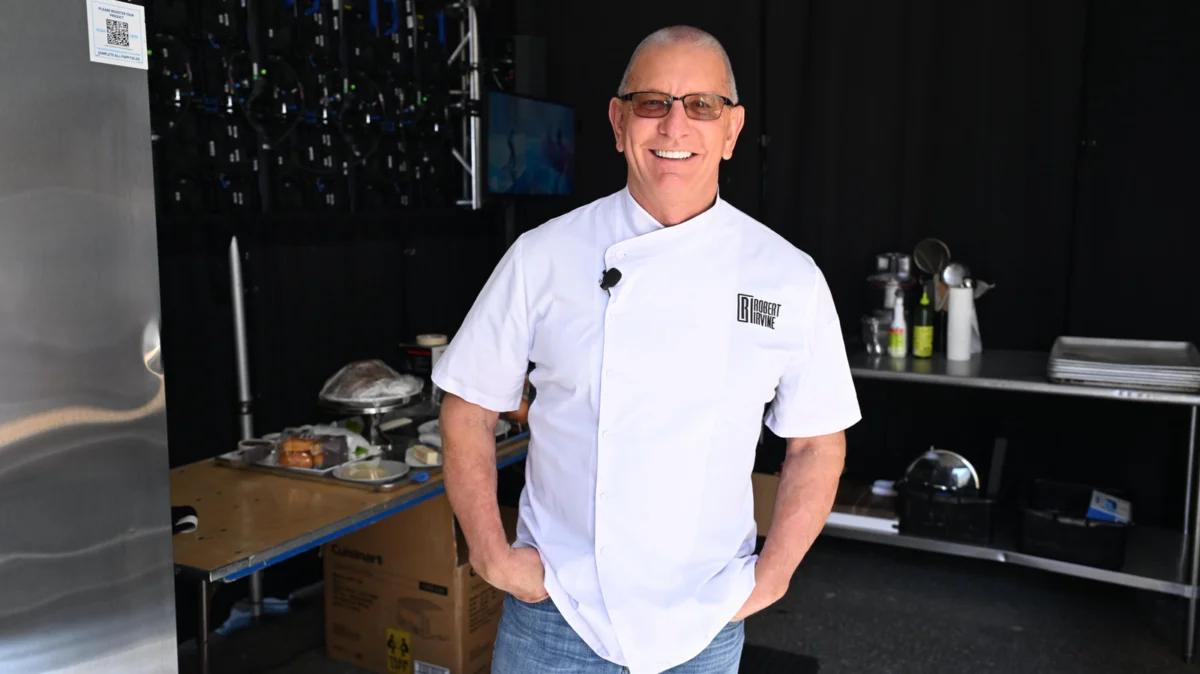
The curtain fell on Food Network’s "Restaurant: Impossible" in 2023, leaving a void for fans who had become invested in the dramatic journeys of struggling eateries. For over two decades, celebrity chef Robert Irvine meticulously dissected operational flaws, culinary missteps, and interpersonal conflicts within these establishments, offering a lifeline of renovation, menu overhauls, and strategic guidance. While the show aimed to provide a fresh start, the harsh realities of the restaurant industry often proved insurmountable. This exploration delves into a selection of restaurants that, despite Irvine’s intervention and the national spotlight, ultimately succumbed to closure, examining the factors that contributed to their disappearance and the lingering questions surrounding their fates.
The Aftermath of Intervention: A Closer Look at Restaurant Closures
"Restaurant: Impossible" presented a high-stakes, time-sensitive challenge for both its host and the restaurant owners. With a compressed timeline, Irvine and his team would typically assess the establishment’s issues, implement a swift renovation, retrain staff, and introduce a new menu. The premise was simple: a dramatic transformation followed by a renewed chance at profitability. However, the narrative often revealed that the foundational issues—be it deep-seated management problems, financial mismanagement, or an inability to adapt to changing consumer tastes—were more complex than a few days of intense work could fully resolve. This article revisits fifteen such establishments, tracing their post-show trajectories and the reasons behind their eventual vanishing acts.
Villari’s: A Legacy Fades in Palmyra, New Jersey
Villari’s, a restaurant with roots stretching back to the 1940s in Palmyra, New Jersey, was featured in the pilot episode of "Restaurant: Impossible" in 2011. Under the stewardship of Paul Villari III, grandson of the original owner, the establishment was reportedly facing significant financial distress, with a lack of profitability and an inability for Paul to draw a salary. Robert Irvine identified issues with cleanliness and the overall condition of the restaurant.
Following Irvine’s intervention, which included a significant renovation, the hiring of a new executive chef, and a revamped menu, the restaurant struggled to maintain momentum. According to reports from 2012, Paul’s brother, Phillip Villari, indicated that the updated menu was perceived as too sophisticated and costly for the restaurant’s established clientele. This led to a swift abandonment of Irvine’s proposed culinary direction within two months of the episode’s airing. Two years later, in 2014, Villari’s officially closed its doors. The family attempted a resurgence with a new concept, Jerseys Pub, a sports bar, but this venture also appears to have ceased operations around 2015. Paul Villari III has since transitioned out of the restaurant industry and is now working as a realtor.
Dinner Bell: Drama and Discontent in Madison, Tennessee
The 2013 episode featuring Dinner Bell in Madison, Tennessee, became one of the show’s most memorable due to the intense confrontation between owner Tommy and Robert Irvine. Irvine’s assessment pointed to deficiencies in service, bland food, and uninspired decor. The tension escalated when Tommy reportedly threatened to engage in a physical altercation with Irvine.
Despite Tommy’s initial concession and acknowledgment of Irvine’s proposed changes, which involved price increases and menu enhancements, he later expressed significant dissatisfaction with the show’s portrayal. Prior to the episode’s broadcast, Tommy publicly accused the "Restaurant: Impossible" team of exacerbating the restaurant’s problems and alleged a lack of adequate support from Food Network, which he claimed led to customer and employee attrition. In 2013, after reintroducing budget-friendly prices that rendered profitability unfeasible, Dinner Bell ultimately closed.
The Mad Cactus: Stubbornness and Subpar Execution in Strongsville, Ohio
In 2010, two years before the Dinner Bell episode, Robert Irvine visited The Mad Cactus in Strongsville, Ohio. This Mexican-style restaurant was reportedly losing money and struggling to compete in a saturated market. Irvine’s observations included poor service, a kitchen in dire need of cleaning, and unappealing decor. Irvine described the makeover as one of the most challenging of the season, largely attributing the difficulty to the owner, Tom Krukemeyer’s, perceived stubbornness.
Despite the implemented changes, including menu updates and interior renovations, customer reception was reportedly lukewarm. Online reviews from patrons who visited after the show’s airing indicated a disconnect between the appealing presentation and the actual dining experience. Complaints ranged from "inedible" tacos to a minimalist nacho offering consisting of only a dozen tortilla chips. Some patrons also noted a recurrence of cleanliness issues and inadequate service. The Mad Cactus ceased operations by 2013.
Mainelli’s: A Tragic Turn of Events in Providence, Rhode Island
Mainelli’s, a neighborhood Italian restaurant in Providence, Rhode Island, appeared on "Restaurant: Impossible" in 2011. Situated in a state renowned for its Italian cuisine, the restaurant faced challenges including dirty tables, slow service, inadequately trained chefs, and food safety concerns. A peculiar detail noted was the prominent "closed" sign on the door, despite the establishment being open for business.
Accusations of exaggeration were leveled against the Food Network by a local restaurant critic, who suggested that issues were amplified and menu prices inflated to enhance the dramatic narrative. Following Irvine’s intervention, which involved kitchen and menu upgrades and efforts to publicize the restaurant’s operational status, there were initial signs of improvement. However, a significant setback occurred shortly after filming when a car crashed into the restaurant. The owners reportedly lacked the financial resources to recover from the damage, and Mainelli’s was sold at auction in 2013.
Mama Lee’s Soul Food: A Persistent Problem in Gastonia, North Carolina
In 2012, Mama Lee’s Soul Food in Gastonia, North Carolina, became the focus of an "Restaurant: Impossible" episode. A significant and recurring issue identified by Robert Irvine was the presence of rodent droppings, a problem that had reportedly plagued the establishment for years. Further inspection revealed a dirty kitchen, unmotivated staff, and uninspired food. Irvine’s motivation to assist was reportedly amplified by the owner, Ken Lee, being a fellow retired veteran.
Initial post-show feedback suggested that Irvine’s changes had a positive impact, with customers reporting pleasant experiences and enjoyable food, particularly the candied yams and fried chicken. However, some patrons still noted slow service and cleanliness issues. Ultimately, the persistent rodent problem proved to be the restaurant’s undoing. In 2013, Mama Lee’s was shut down by health inspectors who found further evidence of rodent droppings, roaches (both live and dead), and a generally unsanitary kitchen. Irvine expressed his disappointment, emphasizing the owner’s responsibility to maintain the standards implemented during his visit.
The Anchor: Family Dynamics and Flavorless Food in Louisville, Tennessee
The Anchor, a waterfront restaurant in Louisville, Tennessee, featured in a 2021 episode of "Restaurant: Impossible." While operational and culinary challenges were present, a significant focus of the episode was the strained family dynamics within the business. Owner Robert Lane’s frequent outbursts and yelling, including directed at his employees (two of whom were his children), created a reportedly toxic work environment. Overcooked and flavorless food also contributed to the restaurant’s struggles.
Irvine worked with Lane to address his anger management issues and rectify kitchen deficiencies. Despite some positive customer reviews following the intervention, The Anchor closed its doors not long after its "Restaurant: Impossible" episode was filmed, suggesting that the underlying familial and operational issues were too deeply entrenched.
So Natural Organic Restaurant: Passion Without Profit in Harker Heights, Texas
In 2016, "Restaurant: Impossible" was called to So Natural Organic Restaurant in Harker Heights, Texas. The owners, Jameel and Luvina Sabree, possessed a passion for organic, healthy food, but struggled to establish a successful business. Their daughter, concerned about the family enterprise, sought Irvine’s assistance. Unlike many other establishments featured on the show, So Natural did not suffer from severe cleanliness issues. Irvine focused on enhancing the seasoning of their dishes, providing business advice, and refreshing the restaurant’s interior to improve its financial prospects.
Luvina Sabree expressed gratitude for Irvine’s help and even participated in a "revisited" episode in 2020. While So Natural is no longer in operation, the Sabrees have transitioned to a successful catering business, demonstrating an adaptation of their culinary passion into a more sustainable venture.
Cape Horn Family Restaurant: Confidence Building and Cancer’s Toll in Lincoln, Illinois
Cape Horn Family Restaurant appeared on the 12th season of "Restaurant: Impossible." Owner Joni Kauffman’s primary challenges were identified as a lack of confidence and leadership skills, which consequently led to a lack of respect from her employees. In a rather unconventional approach, Irvine encouraged Kauffman to confront her fear of roller coasters to build her confidence. She reported feeling braver after the experience and returned to the restaurant with renewed resolve.
Beyond this unique intervention, Irvine also addressed the restaurant’s decor, kitchen cleanliness, and food quality. While some patrons enjoyed the post-revamp dining experience, others remained unimpressed with lingering issues of a "dirty atmosphere" and subpar food. Cape Horn Family Restaurant closed in 2016. A contributing factor to its closure was Kauffman’s battle with cancer, which necessitated her absence from the restaurant. She passed away in 2017.
Snooty Fox: An Identity Crisis in Indianapolis, Indiana
The Snooty Fox, an English-style pub in Indianapolis, Indiana, was featured on "Restaurant: Impossible" in 2011. A core issue identified was the lack of authentic English fare on its menu. After the previous head chef had departed, Irvine auditioned new culinary talent and revamped the menu to include traditional dishes like bangers and mash and fish and chips, alongside a much-needed deep clean of the kitchen.
Initially, the changes appeared to provide a temporary boost in business, as reported by owner Tim Queisser. However, customer traffic soon declined, and The Snooty Fox closed just months after filming. Queisser speculated that menu changes or poor management could have been contributing factors. Yelp reviews from the period indicated that the food was perceived as mediocre to poor, service was slow, and the menu failed to deliver on expectations.
Pastori’s: Menu Overload and Lingering Doubts in Ellington, Connecticut
Pastori’s, an Italian restaurant in Ellington, Connecticut, had been in operation for over two decades when it appeared on "Restaurant: Impossible." Owner Bill Savvidis sought help to address a multitude of issues, including an overwhelming menu of approximately 400 items, a pervasive odor from a stained carpet, cold food, poor service, and internal family conflicts.
Irvine streamlined the menu, updated the decor—including addressing the carpet issue—and implemented food safety training for the kitchen staff. Despite these efforts, Pastori’s closed its doors permanently in 2014, three years after its episode aired. While Savvidis outwardly expressed a willingness to move forward, some customer reviews persisted, claiming that the restaurant remained dirty, the food was served cold, and the overall quality had not improved significantly.
Cap’n and the Cowboy: Financial Woes and Denial in Port Charlotte, Florida
In the second season of "Restaurant: Impossible," Robert Irvine traveled to Port Charlotte, Florida, to assist the steak and seafood establishment, Cap’n and the Cowboy. Owner Nick Scaringella was reportedly struggling with financial management and inventory control, and was in denial about the quality of the food being served. Irvine implemented a new menu and revamped the interior.
Despite these interventions, the restaurant struggled to stay afloat. Post-episode public reviews were mixed, with some customers noting improvements while others remained dissatisfied with the food and service. In August 2012, just one year after its appearance on the show, Cap’n and the Cowboy ceased operations.
Long Branch Steak and Seafood: Health Violations and a Fleeting Fix in Fayetteville, Georgia
Season four of "Restaurant: Impossible" saw Robert Irvine visit Long Branch Steak and Seafood in Fayetteville, Georgia, in 2012. The inspection revealed significant health violations, including the presence of cockroaches in the kitchen and on ice cubes, and a freezer containing moldy and freezer-burned food. Owner Lisa Howard was also reportedly struggling with staff discipline and profitability. The food was described as both unsanitary and unappetizing.
Irvine’s team addressed the cleanliness issues, introduced a new menu, and worked on team dynamics. However, soon after the episode aired in 2012, the restaurant shut down. The limited available reviews suggest that Irvine’s intervention, while addressing immediate concerns, may not have been sufficient to rectify the long-term operational and systemic issues.
Whistle Stop Cafe: Buffet Woes and Owner Bitterness in Hot Springs, Arkansas
The Whistle Stop Cafe in Hot Springs, Arkansas, was featured in season four of "Restaurant: Impossible." Robert Irvine expressed immediate concern over the buffet, citing dirty interiors and flies, and refused to sample the food. Customers also voiced concerns about the buffet’s cleanliness. Additional issues included poor management by owner Linda Todd and a perceived lack of care from employees regarding service and food quality.
Irvine attempted to address these problems with the staff and menu. However, subsequent customer feedback indicated continued concerns about the buffet’s condition and hygiene practices. Whistle Stop Cafe closed permanently in February 2013. Linda Todd later expressed significant dissatisfaction with the experience, posting a critical message on Urbanspoon, feeling overworked and unappreciated.
McShane’s: A Signature Dish and a Food Truck Transition in East Syracuse, New York
McShane’s in East Syracuse, New York, known for its signature unbreaded, peppery fried chicken, appeared on season two of "Restaurant: Impossible." Robert Irvine was impressed by the chicken recipe but found issues with a dirty carpet, an unpleasant smell, and a grimy kitchen presenting health hazards.
Irvine’s renovation kept the signature chicken on the menu, introduced new dishes, and updated the interior. Post-show reviews were generally positive, with many Yelp users expressing satisfaction with their visits. In 2013, owner Cindy Baker, the creator of the famous chicken, decided to close McShane’s and transition the concept to a food truck named "The Chicken Bandit." While the food truck’s social media activity ceased in 2023, its operation for over a decade represents a notable period of success for a restaurant featured on the show.
Hoffman’s Bistro: Debt, Dysfunction, and Lease Issues in Santa Cruz, California
Hoffman’s Bistro in Santa Cruz, California, presented significant challenges for Robert Irvine during season two, primarily due to $2 million in debt and dysfunctional owner-staff relationships, rather than severe health violations. The main courses were described as flavorless, and while the baked goods were better, they were not adequately marketed.
Irvine’s interventions included menu revamps, interior renovations, and efforts to empower staff to voice their concerns. For several years following the show’s airing, Hoffman’s appeared to be stable, with a sufficient number of positive customer experiences to sustain operations for approximately six years. However, in 2018, Hoffman’s Bistro closed due to lease issues.