
Maine, a state renowned for its rugged coastline, picturesque lighthouses, and deep-rooted maritime heritage, also boasts a culinary landscape as distinct and captivating as its natural beauty. Beyond the ubiquitous image of its world-famous lobster, Maine offers a rich tapestry of flavors, many of which are deeply intertwined with its history, geography, and the resilience of its people. From the sweet burst of wild blueberries to the savory depth of bean-hole beans, these are the iconic tastes that define the Pine Tree State and are essential for any visitor or aficionado of regional American cuisine to experience at least once.
This exploration delves into twelve such culinary treasures, examining their origins, cultural significance, and the unique characteristics that make them quintessentially Maine. The state’s culinary identity is a mosaic, shaped by Indigenous traditions, early settler ingenuity, the bounty of the Atlantic, and the agricultural prowess of its fertile lands.
The Enduring Appeal of Wild Maine Blueberries
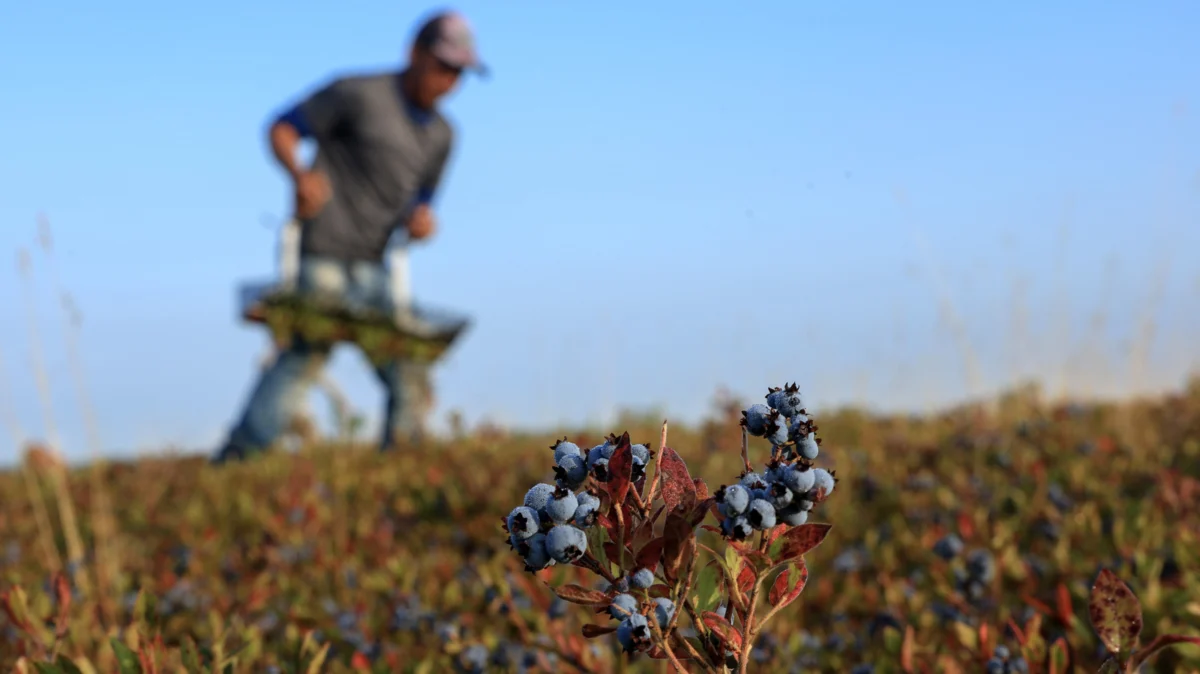
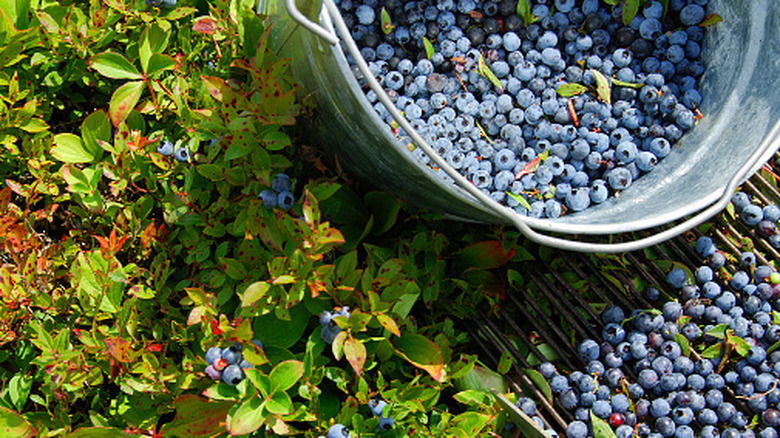
The wild Maine blueberry, often referred to as the "lowbush" blueberry, is arguably the most iconic food native to the state. These small, intensely flavored berries are a far cry from their larger, cultivated cousins. Their distinctiveness stems from the unique post-glacial sandy and acidic soil found across Maine, which provides the ideal environment for the low-growing shrubs on which they thrive.
Historically, the Wabanaki Native American tribes were the first to cultivate and harvest these berries on a significant scale, recognizing their nutritional value and versatility. Upon their arrival, English settlers quickly adopted these practices, and by the 19th century, Maine had become a major producer of wild blueberries, exporting them across the nation. Today, the harvest season, typically spanning from July to September, is a significant event, with the berries appearing in a myriad of forms.
"Wild Maine blueberries offer a concentrated burst of flavor that simply cannot be replicated by cultivated varieties," notes Dr. Eleanor Vance, a food historian specializing in New England cuisine. "Their slightly tart, intensely sweet profile makes them perfect for everything from pies and jams to juices and wines. They are a true testament to the unique terroir of Maine."
These small but mighty berries are not just a culinary delight; they are also packed with antioxidants and possess a higher nutrient concentration than standard blueberries, making them a healthy as well as delicious choice. Their presence is felt across the state, from roadside stands overflowing with fresh pints to the menus of esteemed restaurants featuring them in pies, muffins, and even savory sauces.
Peekytoe Crab: A Culinary Comeback Story
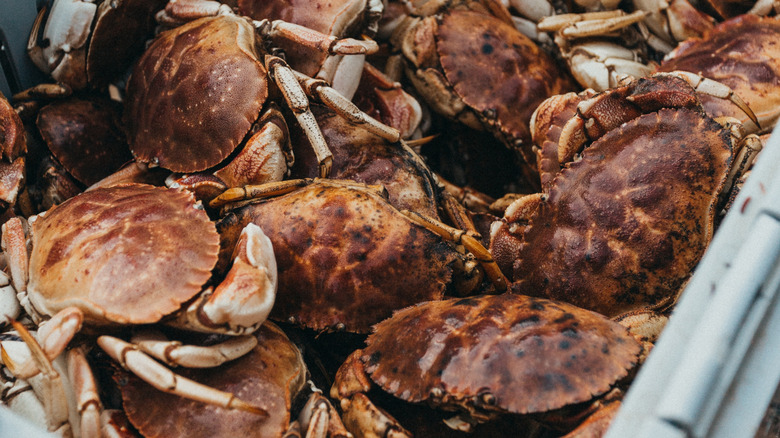
Maine’s relationship with the ocean is profound, and its seafood bounty is legendary. While lobster often takes center stage, the story of the peekytoe crab is a fascinating example of a once-discarded catch transformed into a delicacy. Harvested primarily in the waters of Penobscot Bay, these rock crabs were historically considered a nuisance by lobster fishermen, often found stealing bait and eventually tossed back into the sea.
The name "peekytoe" itself is believed to be a phonetic evolution of "picked-toe," a colloquialism used by local fishermen. However, with a concerted rebranding effort and a growing appreciation for their delicate, sweet meat, peekytoe crabs have risen to prominence.
"The transformation of the peekytoe crab from a ‘throw-away’ catch to a sought-after ingredient is a remarkable culinary narrative," states seafood industry analyst, Mark Jenkins. "It highlights the importance of understanding and appreciating the full spectrum of what our oceans provide, and the innovation that can occur when chefs and consumers discover new possibilities."
Due to their fragile shells and the fact that they are too delicate to ship live, peekytoe crabs are typically cooked immediately after being caught. This freshness is key to their superior flavor. They are often enjoyed simply steamed, or their sweet meat can be found in crab cakes, salads, bisques, and a variety of other dishes, showcasing their versatility and delicate texture. While they can be purchased canned for those outside of Maine, experiencing them fresh from the source is an unparalleled culinary adventure.
The Enduring Charm of the Whoopie Pie
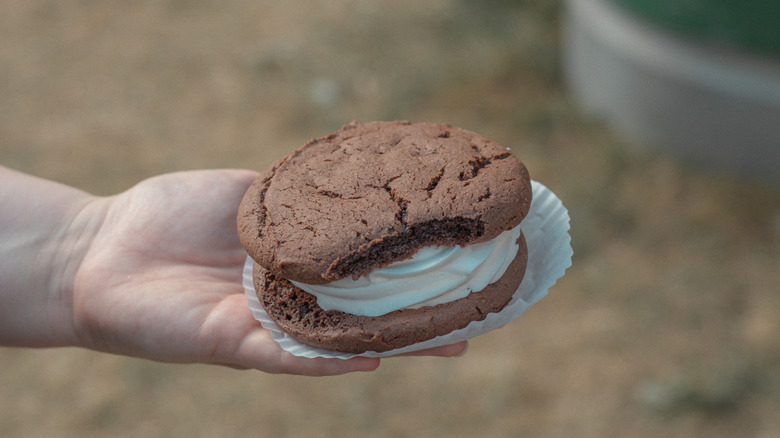
A beloved sweet treat that has become deeply ingrained in Maine’s cultural fabric is the whoopie pie. Often described as an "inside-out cupcake," this dessert consists of two soft, cake-like rounds sandwiching a creamy, frosting-like filling. While its exact origins are a subject of debate, with claims from Pennsylvania and Massachusetts, Maine has firmly embraced the whoopie pie as one of its signature desserts.
The lore surrounding the whoopie pie’s creation often points to resourceful Maine farmers’ wives who, in the late 19th or early 20th century, would create these confections from leftover cake batter and frosting. This historical context underscores the resourcefulness and culinary creativity that has long characterized Maine’s food traditions.
"The whoopie pie represents comfort and nostalgia for many Mainers," says local baker, Sarah Chen. "It’s a simple yet utterly satisfying treat that evokes childhood memories and community gatherings. The sheer variety of flavors available today, from classic chocolate and vanilla to more adventurous combinations like wild blueberry and maple cream, speaks to its enduring popularity and adaptability."
While the classic chocolate cake with vanilla filling remains a perennial favorite, variations abound, including red velvet, pumpkin, and even flavors inspired by other Maine staples like maple syrup and wild blueberries. These delightful desserts are readily available in bakeries, coffee shops, grocery stores, and farmers’ markets across the state, making them an accessible indulgence for all.
The Distinctive "Snap" of the Red Snapper Hot Dog
A surprising yet iconic Maine staple is the Red Snapper hot dog. This vibrant, neon-red frankfurter is a culinary curiosity that has captivated locals and intrigued visitors for decades. The distinctive color comes from red #40 food coloring, but its true claim to fame lies in its casing. This natural casing provides a satisfying "snap" when bitten into, a textural element that sets it apart from more conventional hot dogs.
The Red Snapper hot dog is exclusively produced by W.A. Bean & Sons, a local company that has been a part of Maine’s food landscape for generations. While distributed throughout New England, they are most strongly associated with Maine, where they are a ubiquitous presence at casual eateries, grocery stores, and community events.
"The Red Snapper is more than just a hot dog; it’s a symbol of casual Maine dining," explains food blogger, David Miller. "The snap is key – it’s an auditory and textural cue that signals a true Maine experience. Locals often enjoy them on a buttered, toasted bun, a preparation that perfectly complements the dog’s unique character."
The taste of a Red Snapper is often described as similar to a standard pork and beef hot dog, with the visual and textural elements being its primary distinguishing features. Its popularity underscores a broader theme in Maine cuisine: the appreciation for simple, satisfying foods with a unique local twist.
Bean-Hole Beans: A Legacy of Indigenous Ingenuity
The history of bean-hole beans in Maine is a testament to the enduring influence of Indigenous culinary practices. Long before European settlers arrived, the native tribes of Maine – including the Penobscot Nation, the Passamaquoddy Tribe, the Houlton Band of Maliseet Indians, and the Mi’kmaq Nation – were adept at utilizing the natural resources of the land for sustenance. The method of slow-cooking beans in a pit in the ground, a technique adapted by later lumberjacks, originated with these Indigenous peoples.
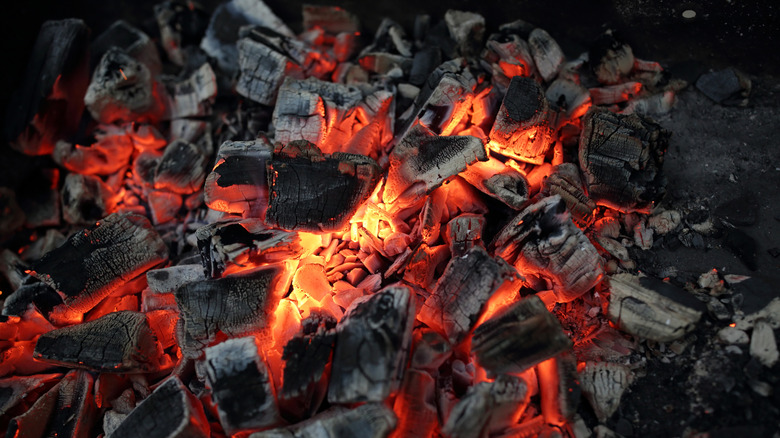
This traditional cooking method involved burying pots filled with beans, often seasoned with bear grease and maple syrup, in the ground and covering them with hot coals. The slow, even heat allowed the beans to cook for extended periods, resulting in an incredibly tender and flavorful dish. Yellow Eye dried beans are a popular variety, but other native Maine bean types are also used.
"The bean-hole bean tradition is a profound link to Maine’s original inhabitants," states tribal historian, Chief Joseph Mitchell. "It’s a practice that embodies sustainability, resourcefulness, and a deep connection to the land. We are proud that this method of cooking, born from necessity and wisdom, continues to be celebrated and enjoyed."
While the traditional pit method is still employed at local fairs and historical reenactments, modern adaptations using cast-iron pots over fires or even slow cookers allow for home preparation. The dish remains a staple at community gatherings and a cherished part of Maine’s heritage, offering a taste of history with every spoonful.
Potato Donuts: A Starchy Surprise
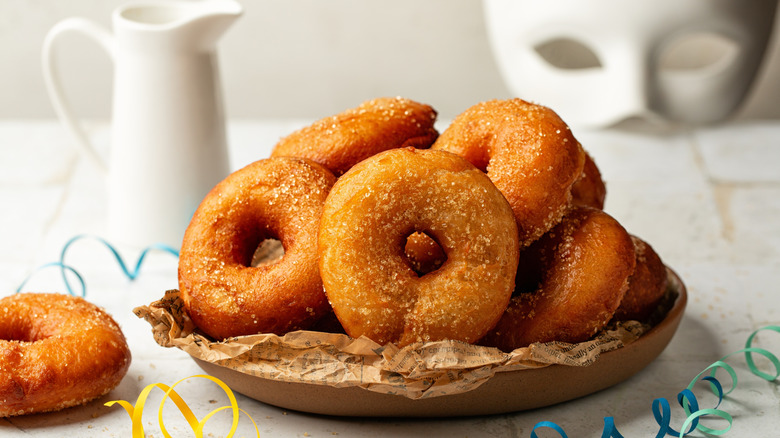
Maine’s agricultural prowess extends beyond blueberries and potatoes, but it’s the latter that has given rise to a truly unique treat: the potato donut. While the concept of using vegetables in desserts might seem unconventional, Maine has wholeheartedly embraced this starchy innovation. The use of potato starch in donuts results in a remarkably light, fluffy, and moist texture that is distinct from traditional cake or yeast donuts.
The popularity of potato donuts in Maine is significantly boosted by The Holy Donut, a local chain that has become synonymous with this delectable pastry. While potato donuts gained national traction in the mid-20th century with chains like Spudnuts, Maine’s high-quality, starchy potatoes provide an exceptional base for this confection.
"The magic of a Maine potato donut lies in its texture," explains pastry chef, Maria Rossi. "The potato starch creates a delicate crumb that’s almost cake-like yet incredibly tender. It’s a surprisingly light dessert that can be enjoyed in a multitude of flavors, many of which incorporate other Maine ingredients."
Beyond the classic preparations, The Holy Donut offers gluten-free and vegan options, further broadening the appeal of these unique donuts. Their widespread availability, coupled with a growing understanding of how vegetables can enhance baked goods, has cemented the potato donut’s place in Maine’s culinary identity.
Needhams: A Sweet Potato-Based Confection
Continuing the theme of potato innovation, Needhams are a beloved candy that showcases Maine’s penchant for incorporating this versatile tuber into sweet treats. These confections, often compared to Mounds bars, feature a core of mashed potato, shredded coconut, and a chocolate coating.
The history of Needhams dates back to at least 1872, with the Needham family playing a significant role in their popularization and continued production. While the basic recipe remains consistent, variations incorporating other local flavors, such as wild Maine blueberries, have become increasingly common, reflecting a dynamic approach to preserving tradition.
"Needhams are a quintessential Maine candy," says local candy shop owner, Thomas Lee. "They represent a unique local indulgence that people look forward to sharing. The combination of the creamy potato, sweet coconut, and rich chocolate is surprisingly delightful and addictive."
Although Needhams can be shipped nationwide, they are best enjoyed in their natural habitat – with a salty sea breeze and the feel of sand between your toes. They are a perfect souvenir, offering a taste of Maine’s distinctive candy-making heritage.

Amato’s Italian Sandwich: A Portland Original
While Maine is famed for its seafood, its culinary landscape has also been shaped by immigrant communities. Amato’s, a chain that is a familiar sight across the state, holds a significant place in this narrative as it is widely credited with introducing and potentially inventing the Italian sandwich in Portland, Maine, in 1902.
Giovanni Amato, an Italian immigrant, established his business near the bustling fishing docks, selling his unique sandwiches to local workers. This humble beginning laid the foundation for what is now a beloved regional staple. The "Amato’s Original Real Italian" sandwich is a specific offering that aims to replicate the original, featuring a generous combination of ham, cheese, green pepper, pickles, olives, tomato, salt, pepper, and oil, all nestled within a soft roll.
"The Amato’s Italian sandwich is a culinary landmark in Portland and a symbol of the Italian-American contribution to Maine’s food culture," notes food historian, Dr. Sophia Bellini. "It’s a testament to how immigrant traditions can become deeply integrated into the fabric of a region’s cuisine, offering a delicious fusion of influences."
The sandwich’s popularity highlights the often-overlooked role of immigrant entrepreneurs in shaping American foodways. It serves as a reminder that Maine’s culinary identity is a rich blend of its natural bounty and the diverse cultural contributions of its residents.
The Quintessential Maine Lobster Roll
It is impossible to discuss iconic Maine foods without acknowledging the Maine lobster roll. While lobster is a celebrated commodity across New England and beyond, Maine’s version holds a special distinction. This uniqueness stems from two key factors: the unparalleled quality of Maine lobster and the distinct preparation methods favored by the state’s inhabitants.
Maine’s cold, nutrient-rich waters are an ideal habitat for lobsters, contributing to their sweet, tender meat. This proximity to the source ensures that consumers are often enjoying exceptionally fresh catches. The state’s fishing industry is not merely economic; it is deeply woven into the cultural identity of coastal communities.
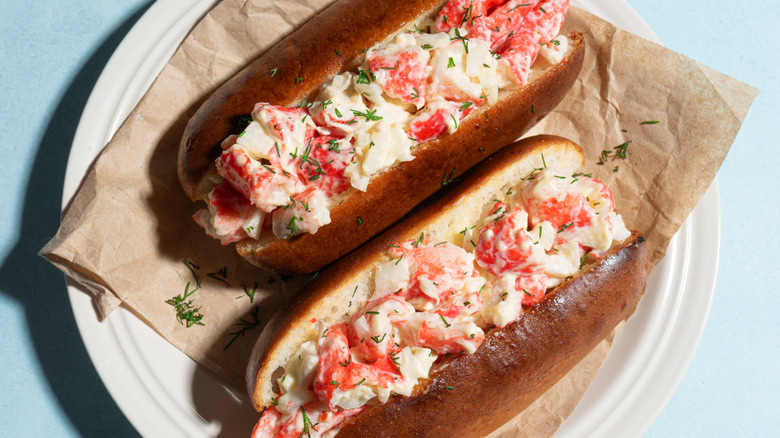
"The Maine lobster roll is an icon for a reason," states renowned chef and Maine resident, Chef Anya Sharma. "It’s about the freshness of the lobster, harvested from our pristine waters, and the specific way we prepare it. The cold, mayonnaise-based dressing on a buttered, toasted split-top bun is our signature style."
This preparation differs from other regional variations, which may feature warm lobster with melted butter. The Maine style, with its cold, creamy dressing, is a deliberate choice that allows the natural sweetness of the lobster to shine through. The subtle variations in seasoning, from the addition of chives to a hint of lemon, reflect the personal touches of individual chefs and establishments, encouraging exploration across the state to discover one’s favorite iteration.
Steamers: A Taste of the Mud Flats
Steamers, referring to steamed soft-shell clams, are another seafood delicacy deeply rooted in Maine’s coastal heritage. The practice of clamming along Maine’s extensive coastline is an ancient tradition, dating back thousands of years to the Indigenous peoples who harvested these bivalves from the rich mud flats.
Today, one can still witness clammers diligently working the flats at low tide, their buckets filling with the day’s catch. Soft-shell clams are particularly well-suited for steaming, often cooked in a broth of water, beer, or white wine, infused with aromatics like butter, shallots, and herbs. This steaming process gives them their evocative name.
"Clamming is more than just harvesting seafood; it’s a way of connecting with the natural rhythms of the coast," explains local clam digger, Mark Peterson. "The taste of steamers, fresh from the mud and cooked simply, is pure ocean. It’s a taste that defines summer for many of us here."
Steamers are a common feature on menus throughout Maine, and many locals also enjoy preparing them at home. The availability of fresh clams from seafood shops, farmers’ markets, and directly from docks ensures that this traditional dish remains accessible and cherished.
Maine Potatoes: The Unsung Hero
While seafood often garnishes the headlines, Maine’s agricultural sector, particularly its potato production, deserves significant recognition. Aroostook County, often referred to as the "Potato Capital of the East," is the heartland of Maine’s potato industry. The region’s unique soil composition and climate conditions yield potatoes that are exceptionally starchy, flavorful, and of superior quality.
The importance of potatoes to Maine’s culture is so profound that some high schools in Aroostook County observe a "potato recess" during harvest season, allowing students to participate in the digging process. This hands-on experience underscores the deep connection between the community and its most vital crop.
"Maine potatoes are renowned for their high starch content, which makes them ideal for a wide range of culinary applications, from frying to baking," states agricultural expert, Dr. Samuel Greene. "This quality, combined with the dedication of our farmers, ensures that Maine potatoes remain a premium product."
As one of the top ten potato-producing states in the U.S., Maine proudly incorporates its prized produce into a diverse array of dishes. From the aforementioned potato donuts and Needhams to classic french fries, hash browns, and simply roasted sides, the humble potato plays a starring role in Maine’s culinary narrative.